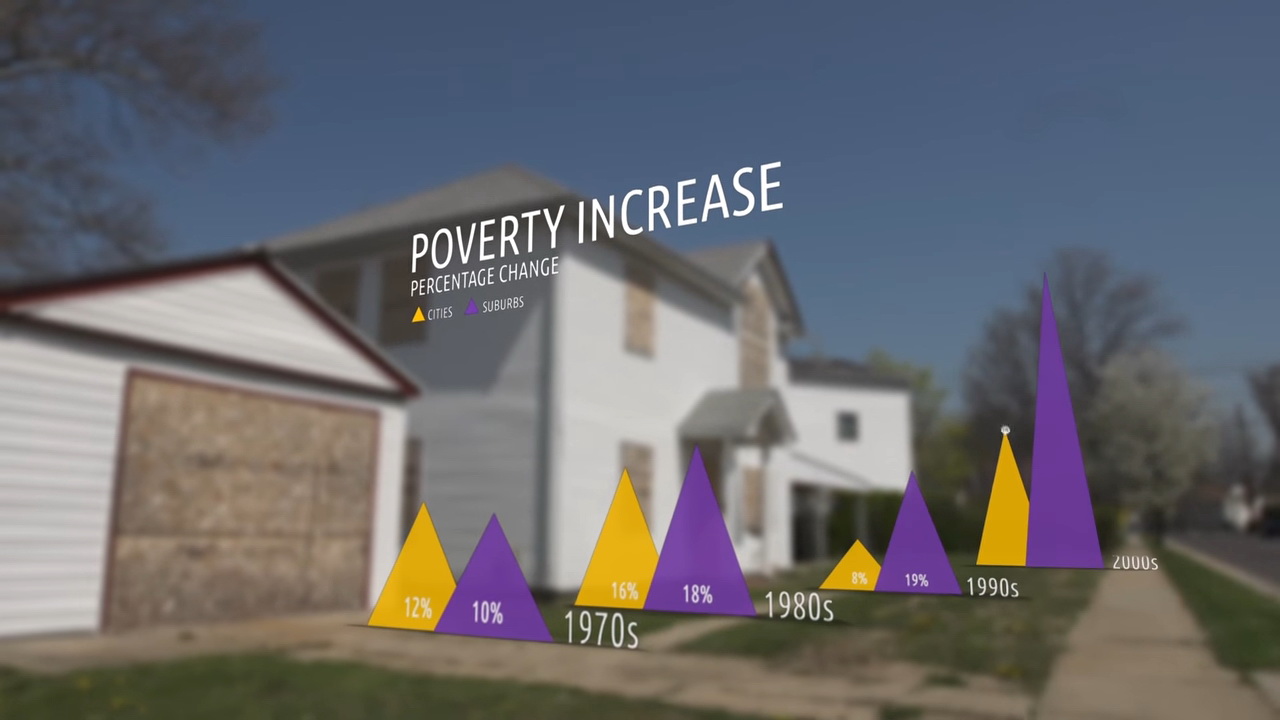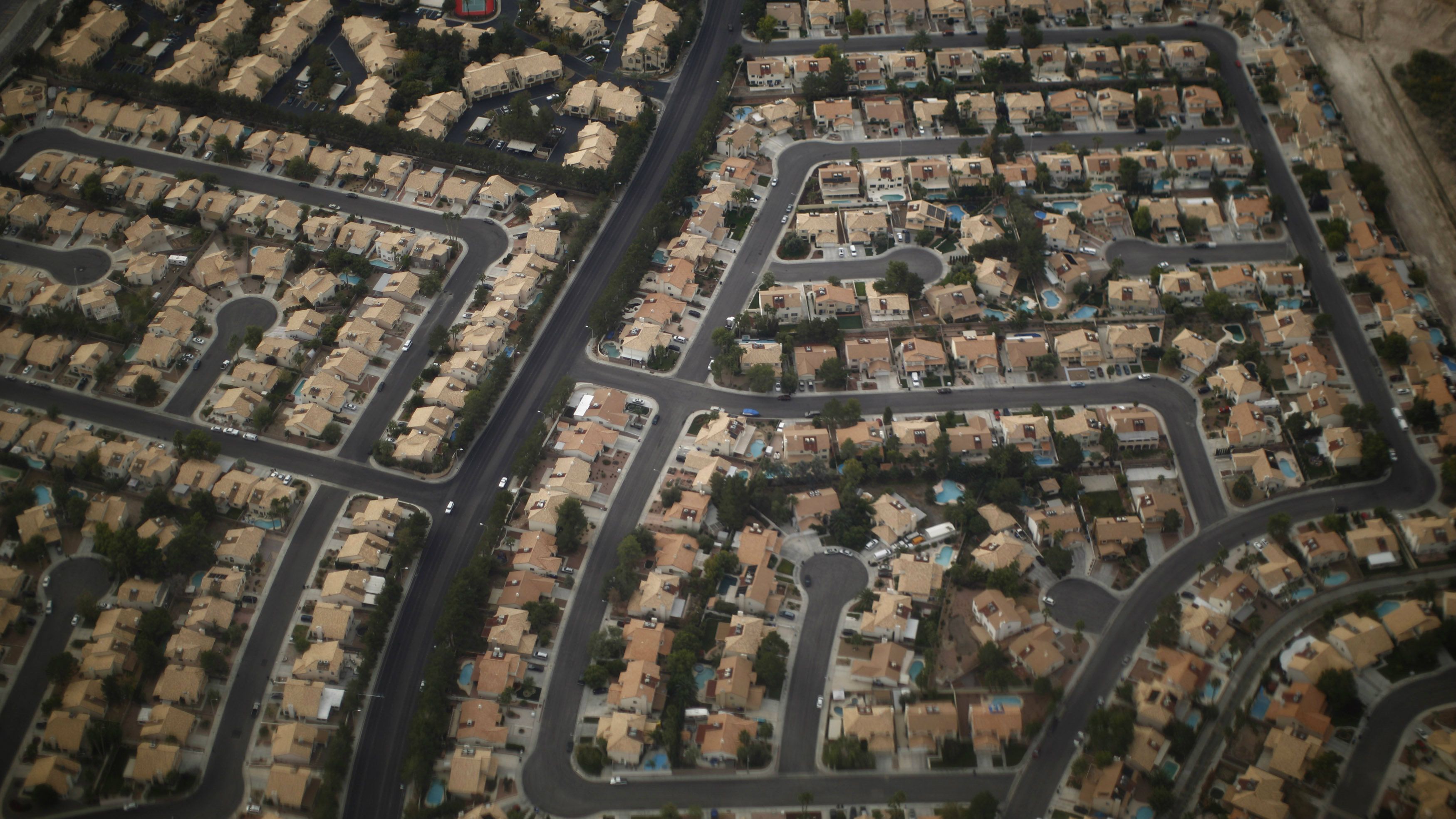
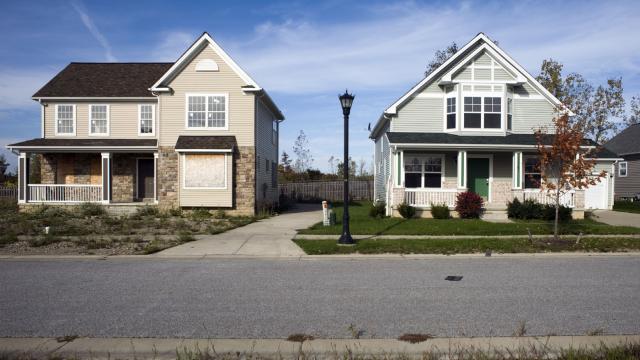
Suburban poverty is becoming a common term in both real estate and economics. Since the housing bubble burst a decade ago, suburban populations have increased across the country, and there has meanwhile been an influx of people moving into cities. Amid these trends, one disturbing fact remains: Along with urban poverty, suburban poverty continues to grow and, with it, homelessness.
Suburban poverty rates
The demographic of people who choose to live in suburbs has been changing over the last several decades. Suburban neighborhoods have long been the residential area of choice for people with kids, as these areas tend to be safe and provide enough space in which to raise a family. But the housing crisis of 2008, which displaced millions of families who thought they could afford to purchase homes, shattered the U.S. economy and upended this trend.
In the years since, as the housing market has stabilized, suburban areas now offer the most affordable housing prices for people with families – which helps explain the increase in poverty populations of suburban neighborhoods. According to research by Ohio University, in 2015 there were 16.5 million people living below the poverty line in U.S. suburban neighborhoods. That contrasts with 13.5 million people living below the poverty line in cities.
Increase in homelessness
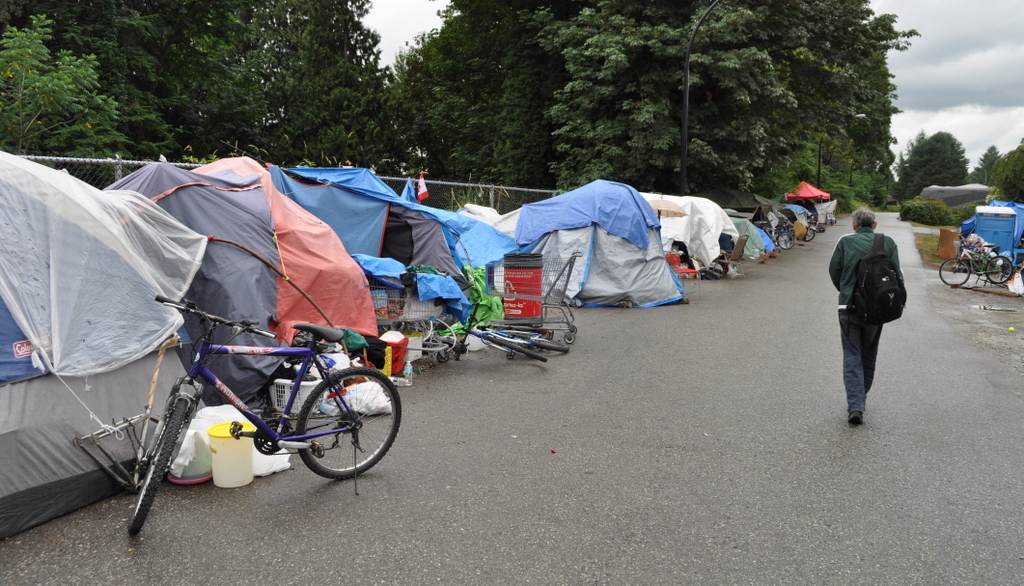
There are many factors at play when looking at the increase of America’s homeless population, but all of them are largely rooted in income inequality. Thirty percent of all Americans now fall under the poverty line, with an even higher number living just at or above that imaginary line. These paycheck to paycheck, stagnant wage populations are only one bad circumstance away from falling into homelessness.
According to a Zillow study of metropolitan areas and homelessness, even a small increase in rent prices are shown to have a correlation with homeless population numbers. In large metropolitan cities like New York and Los Angeles, anywhere between 2,500 and 3,000 more people would fall into homelessness with only a five percent average rent increase.
Another variable that exacerbates the trend is the criminalization of homelessness. Many cities have administered laws that outlaw panhandling, as well as sleeping or even sitting on sidewalks or other public areas. Individuals who are caught breaking the law are ticketed, at which point they risk going to jail or being set back financially even further in order to pay the ticket, creating a vicious cycle of debt and rising payments.
In these instances, among others, homeless people remain unassisted and often find themselves at risk of committing crimes.
Millennial housing trend
The majority of people living in poverty are largely adults who are not working, followed by adults without a high school degree and adults with disabilities. The highest demographic after that are single moms. With schedules that involve work and taking care of their children, it can be difficult for moms to go back to school. However, one of the lowest demographics of people living in poverty are adults with a college degree, at only five percent.
Millennials with college degrees are the largest population currently moving into cities, and they are also the population waiting the longest to have children, which means they don’t need that suburban lawn. Millennials have overtaken baby boomers as the largest generation in the American workforce and this is noted in today's housing market trends.
It seems backward that instead of doing more to help our vulnerable populations find their way out of homelessness, cities are increasingly making it illegal to be homeless – thinking that will somehow be enough of a push for these populations to achieve better circumstances. The National Coalition for the Homeless recognizes the many circumstances that lead people into homelessness. And unless systematic action is taken to combat those circumstances, the increase in suburban poverty and homelessness will continue.