
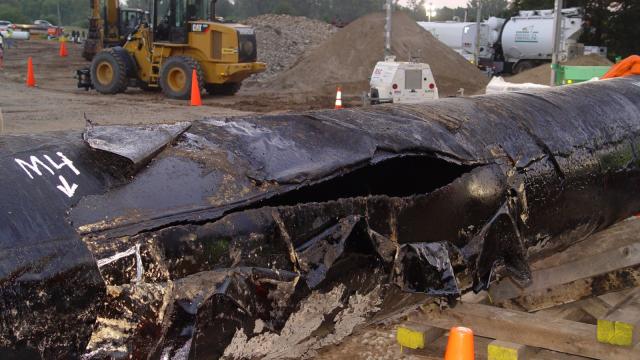
Thousands of barrels of tar-sands oil have been burbling up into forest areas for at least six weeks in Cold Lake, Alberta, and it seems that nobody knows how to staunch the flow.
An underground oil blowout at a big tar-sands operation run by Canadian Natural Resources Ltd. has caused spills at four different sites over the past few months. (This is different from the 100-acre spill in Alberta that we told you about last month, which was caused by a ruptured pipeline.)
Media and others have been blocked from visiting the sites, but the Toronto Star obtained documents and photographs about the ongoing disaster from a government scientist involved in the cleanup, who spoke to the reporter on condition of anonymity. The prognosis is sickening. From Friday’s article:
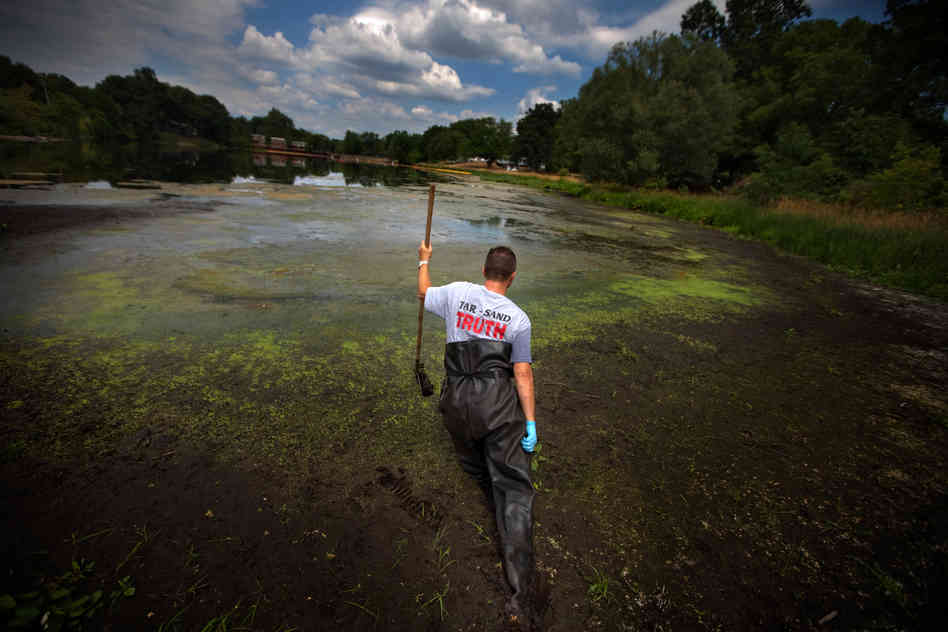
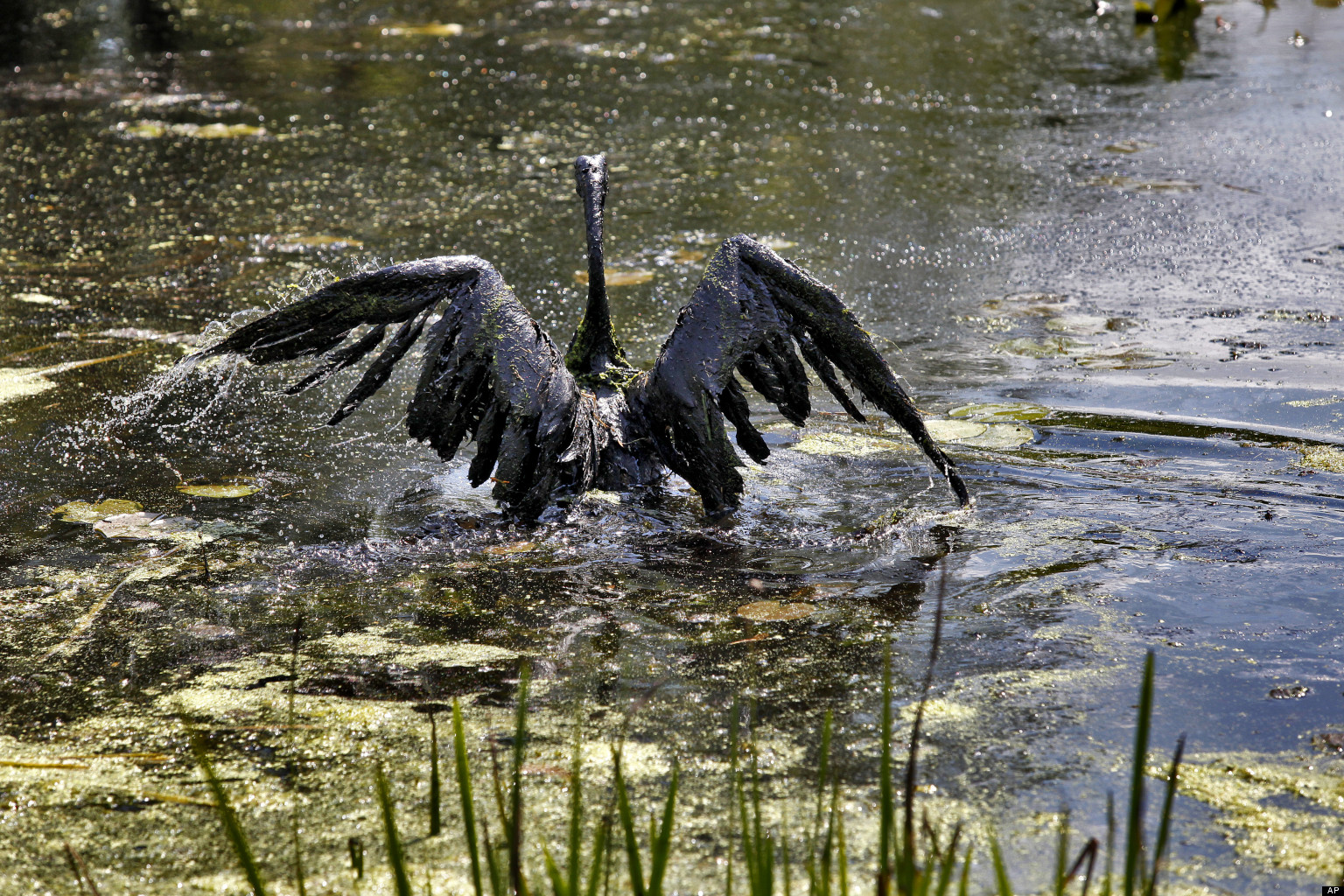
"The documents and photos show dozens of animals, including beavers and loons, have died, and that [nearly 34 tons] of oily vegetation has been cleared from the latest of the four spill zones. …
'“Everybody (at the company and in government) is freaking out about this,” said the scientist. “We don’t understand what happened. Nobody really understands how to stop it from leaking, or if they do they haven’t put the measures into place.”'
The disaster raises big, scary questions about the safety of the underground oil extraction method being used:
'The company’s operations use an “in situ” or underground extraction technology called “cyclic steam stimulation,” which involves injecting thousands of gallons of superhot, high-pressure steam into deep underground reservoirs. This heats and liquefies the hard bitumen and creates cracks through which the bitumen flows and is then pumped to the surface. …
'Oil companies have said in situ methods are more environmentally friendly than the open-pit mining often associated with the Alberta oil sands, but in situ is more carbon and water-intensive.'
And perhaps more spill-intensive:
“This is a new kind of oil spill and there is no ‘off button,’” said Keith Stewart, an energy analyst with Greenpeace who teaches a course on energy policy and environment at the University of Toronto. “You can’t cap it like a conventional oil well or turn off a valve on a pipeline. '“You are pressurizing the oil bed so hard that it’s no wonder that it blows out. This means that the oil will continue to leak until the well is no longer pressurized,” which means the bitumen could be seeping from the ground for months.'
The spills are happening on traditional territory of the Beaver Lake Cree First Nation, whose members are understandably seething. From iNews 880:
'[Beaver Lake Cree Nation citizen Crystal] Lameman says as a Treaty Status First Nation person she feels her rights and treaties are being violated as she is not being allowed in her ancestor’s traditional hunting ground. '“We should have free access to it as treaty status Indians and we have no access to it and we can’t trust what we’re being told now,” explains Lameman. '… The First Nation is pursuing a constitutional challenge that argues the impacts of the oil sands are infringing their treaty rights to hunt, fish and trap.'
In case you’d forgotten, it’s just this kind of tar-sands oil that would be shipped down the middle of America through the Keystone XL pipeline. If the Obama administration approves the pipeline project, even more tar-sands oil extraction is likely in Alberta — and even more spills.
3 WAYS TO SHOW YOUR SUPPORT



- Log in to post comments


