

The U.K. is preparing to cast votes on Thursday in what is, by common accord, the most difficult-to-predict and closely fought General Election in a generation.
Yet as the political parties battle it out in the final stages of their election campaigns, a recent report about Britain's falling living standards sheds further doubt on the sanity of Britain voting the Tories back for a further term in government.
The report, compiled by the Trades Union Congress (TUC), concludes that during the Conservative-led Coalition government’s last five years in power, Britain has seen its sharpest decline in living standards since modern records began in 1960.
The report found that average living standards in the U.K. have fallen by 0.6% since 2009/10 – a conclusion reached by analyzing numbers from the Office of National Statistics and Real Household Disposable Income (RHDI), which looks at current levels of income, inflation, taxes and benefits.
The figures compare to the five years ending in 2009 when, under a Labour government, U.K. living standards rose by 6.9%. The nation’s living standards and quality of life have been a key debate in the run-up to the 2015 General Election, with the Tories incessantly bleating on about Britain’s economy being back on track; boasting about how they halved the deficit; reporting that more people are back in work than ever before, and that Britain is “strong and growing stronger each day.”
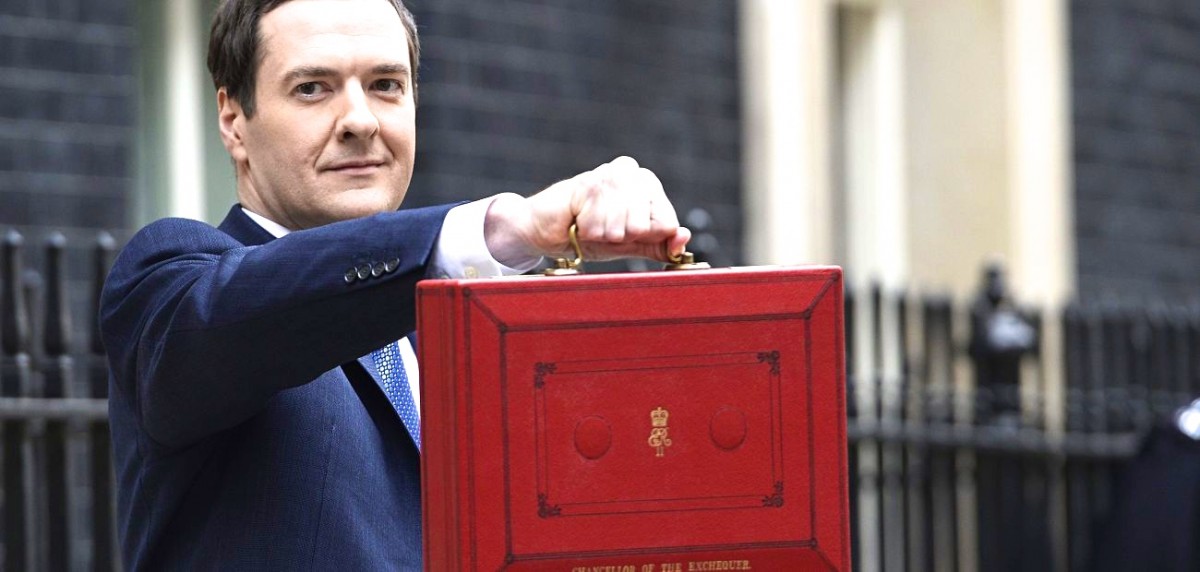
In his 2015 budget, Chancellor George Osborne claimed that the average standard of living for U.K. citizens would be higher when the Conservatives’ term in parliament comes to a close than when it began five years ago. Those claims, however, directly contradict the research compiled by the TUC which, with 51 affiliated unions representing almost 6 million working people, is popularly known as “the voice of Britain.”
Deep and Rapid Cuts
According to the TUC, the coalition’s detrimental austerity policies of “deep and rapid cuts” have resulted in living standards in the country being worse than they were during the financial crisis of 2007/8, which was the toughest recession Britain has suffered in the post-War era.
How the government calculates Britain’s standard of living statistics differs from how the TUC conducts its research. The TUC calculates the RHDI on a per head basis. The measures differ because Osborne was comparing RHDI at the end of 2015 with the RHDI in 2010, whereas the TUC compared average RHDI per head between 2010 and 2014 with the average of the previous five years.
According to the TUC report, the Tory-led government has failed to deliver promises to raise the living standards of citizens and is instead directly to blame for the tightening of real disposable income and the fall of living standards.
It asserts that a combination of Conservative policies have collectively impacted the decrease in living standards, including wage rises running until recently slower than inflation, a reduction of state benefits and tax increases neutralized by tax cuts.
Austerity has Failed
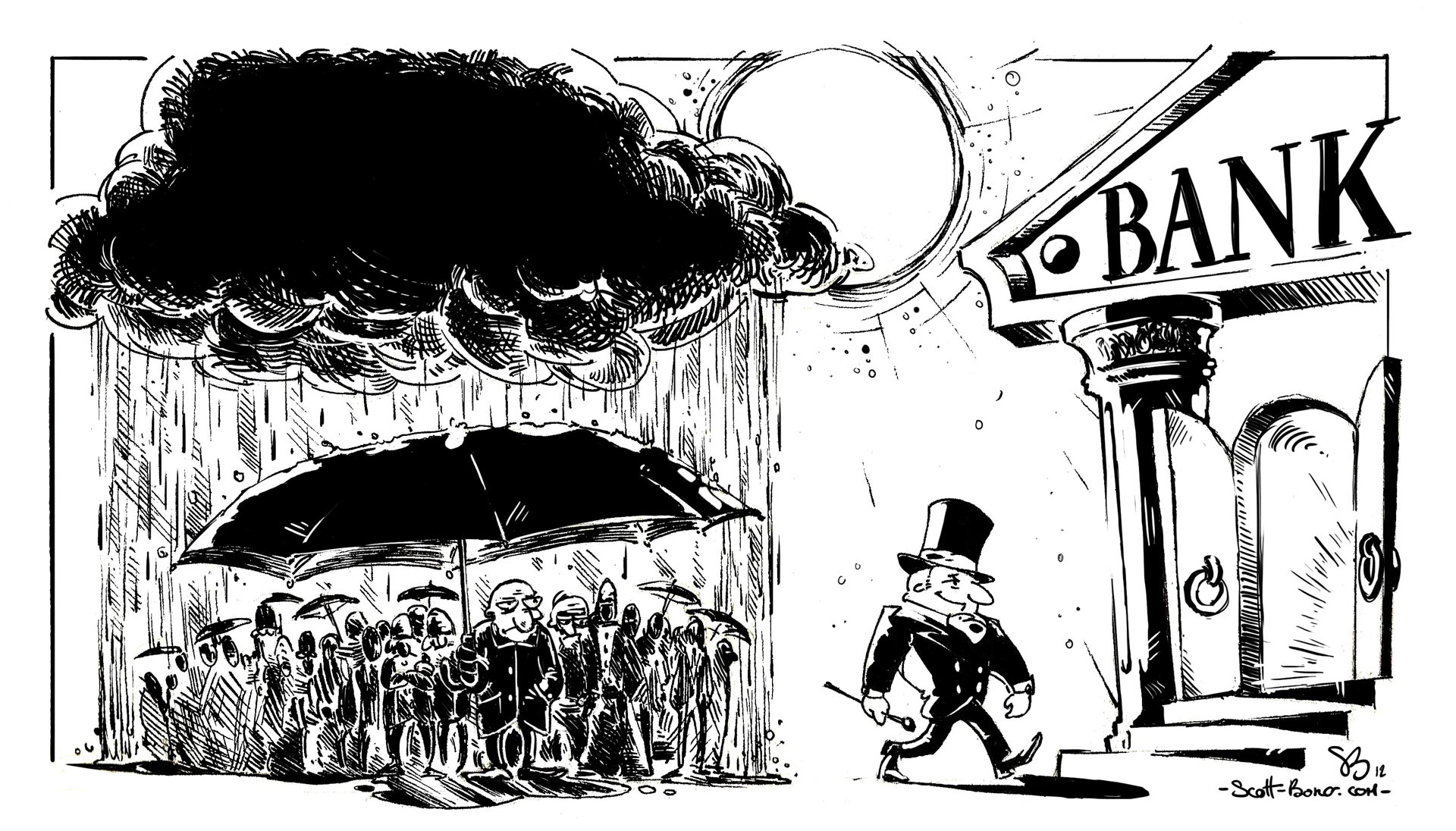
Frances O’Grady, general secretary of the TUC, said that in the wake of the living standards report, it was clear that austerity had failed and that Britain’s workers are “paying a heavy price” for the austerity policies of recent years.
“Austerity has failed, there’s still a major deficit, jobs are less secure and workers’ living standards have fallen,” said O’Grady, adding that Conservatives’ plans for “extreme austerity” following the election risk killing off the recovery again.
“It would be like Groundhog Day for living standards, making families worse off and cutting public services down to a stump,” O’Grady warned.
The TUC findings follows an earlier report by the Institute for Fiscal Studies that revealed the U.K.’s poorest areas have suffered the worst effects from the Coalition’s austerity measures.
Similar to O’Grady’s warnings, the IFS warned that if austerity policies aren't changed in the next government, the nation’s poorest neighborhoods will be exposed to even harsher cuts.
With the Tories threatening even deeper cuts, many of Labour’s pledges – including raising the minimum wage to £8 an hour by 2020, extending free childcare, scrapping the bedroom tax, temporarily freezing energy prices and capping rent increases within three-year contracts – are being welcomed by many voters.
However, as such pledges are seen as merely tinkering around the edges of the economic crisis facing working people in Britain, many voters desperate to see living standards improve are looking to other parties to cast their vote.
Fighting Westminster’s Obsession with Austerity
In a meeting at Westminster in December, the leaders of the Green Party for England and Wales, the Scottish National Party and Plaid Cymru (Party of Wales) pledged to unite to “battle the Westminster parties’ obsession with austerity.”
During the meeting, the three leaders agreed that with no end in sight to the government’s failed austerity agenda, the 2015 General Election is an opportunity to change U.K. politics for the better.
The TUC’s report confirming that U.K. living standards have dropped under a Tory-led government is further confirmation to what the campaigners for political change in Britain have been saying all along: austerity doesn’t work, and it's time to try something new.
3 WAYS TO SHOW YOUR SUPPORT



- Log in to post comments


