There's nothing like a Royal Wedding to lift Britain’s spirit and get the Union Jack flying zealously with pride and patriotism. Last weekend's marriage of Prince Harry to Meghan Markle immersed the country in a nationalistic fever – so much so, it seemed, that the nation lost its moral grip.
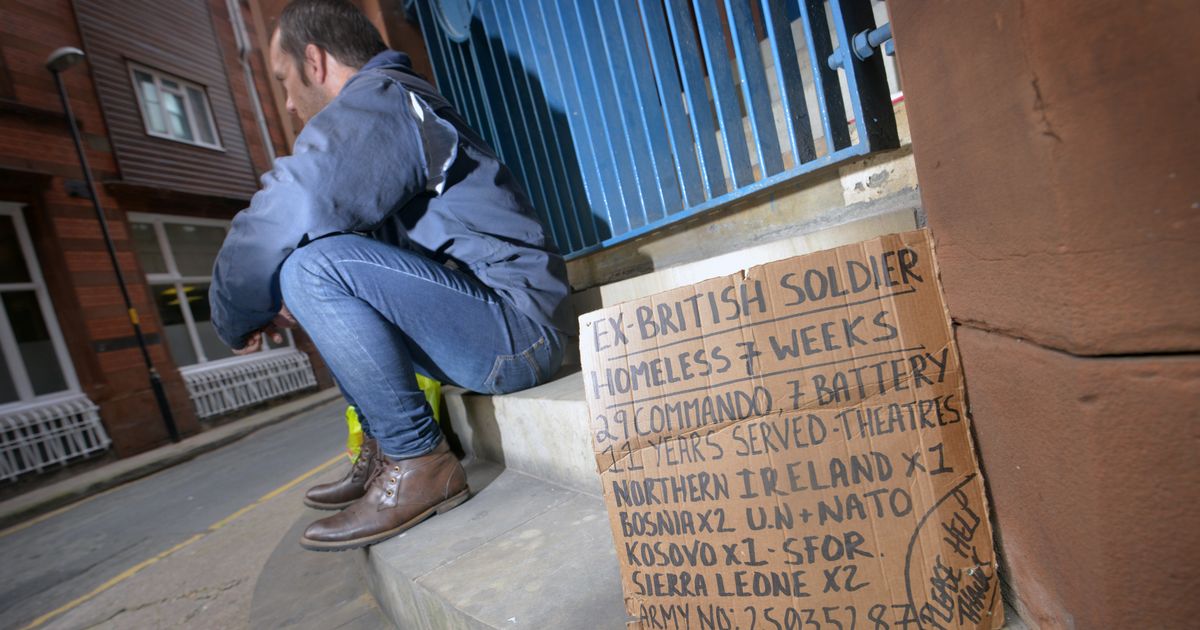
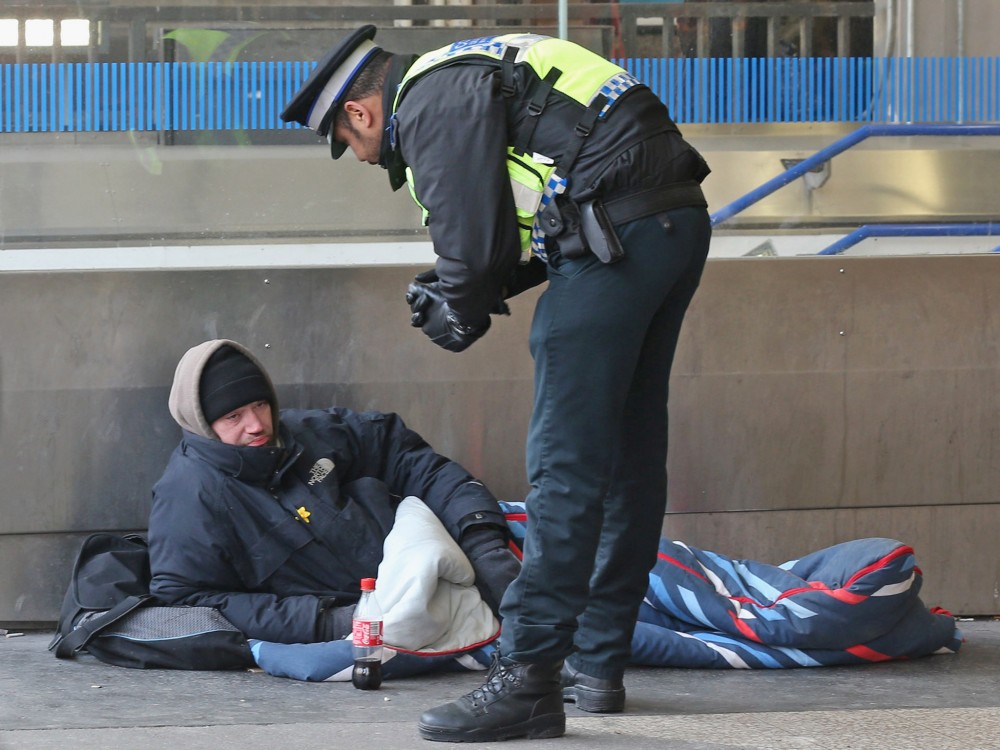
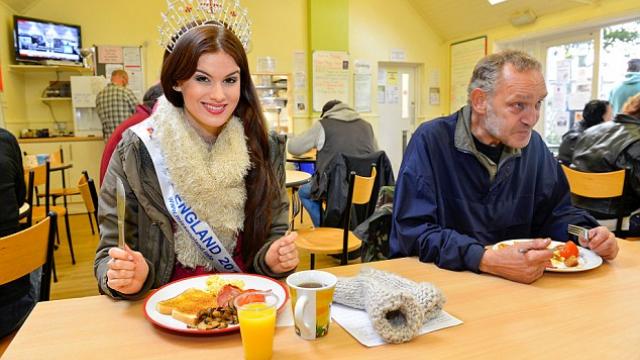
Several days before the "big day," reports emerged of homeless people and their few belongings being hastily removed from the streets around Windsor Castle to make way for the millions (or billions?) of eyes worldwide that would be glued to the wedding venue.
Stories about individuals getting essentially evacuated so that they wouldn't blemish this quintessentially British occasion, naturally, sparked criticism and its own nationwide debate.
Simon Dudley, leader of the local government in Windsor, didn’t hold back in criticizing the area’s escalating problem with homelessness. Windsor suffers from “an epidemic of rough sleeping and vagrancy,” according to Dudley, and the “bags and detritus” from homeless people was creating a “hostile environment” for tourists and residents, presenting “a beautiful town in a sadly unfavorable light.”
In response, Polly Neate, CEO of the homelessness charity Shelter, said, “It shouldn’t be a case of out of sight, out of mind. These are people who desperately need our help, and long-term support to move off the streets for good.”
But for Prince Harry and Meghan Markle's wedding it was, quite literally, an instance of "out of sight, out of mind," as rough sleepers were cleared from the cobbled streets of Windsor ahead of a wedding estimated to have cost British taxpayers more than £32 million – the vast majority of which went to covering security costs.
For many, the country's move to spend tens of millions on a flamboyant wedding was seen largely as a “brand building” exercise as the U.K. seeks to reestablish itself as a visitor destination. But by hustling away homeless people to save Windsor from being seen globally in an unfavorable light, Britain in a sense lost control of its homelessness problem – and revealed a different facet of its modern, austerity-driven "brand".
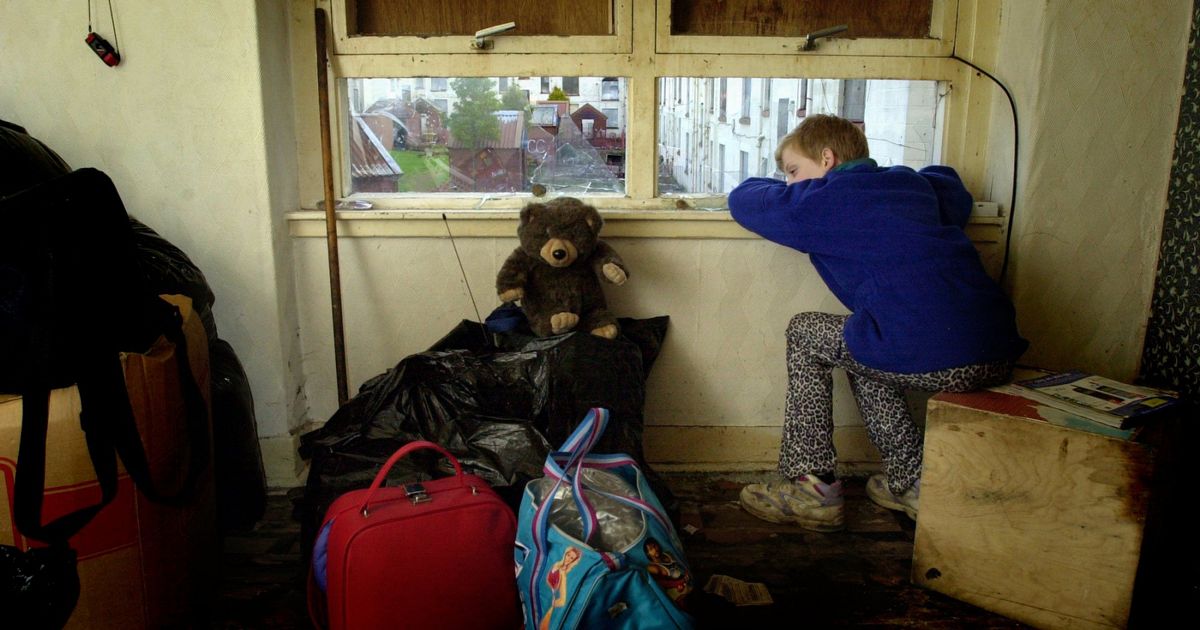
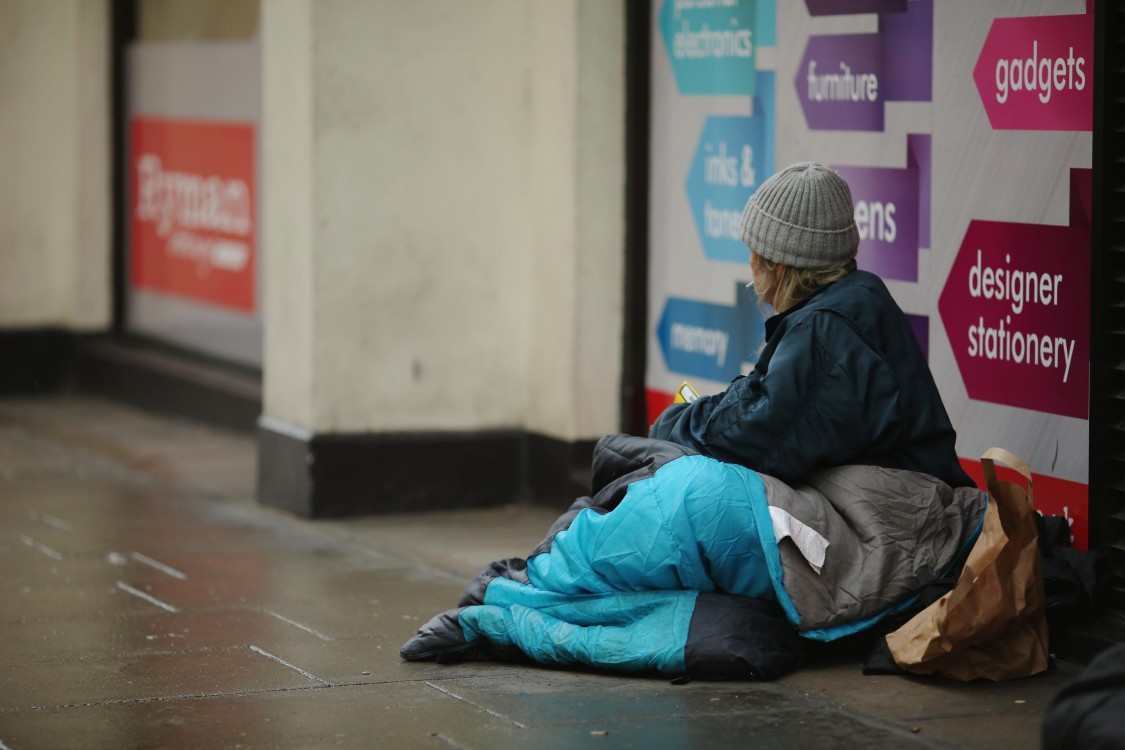
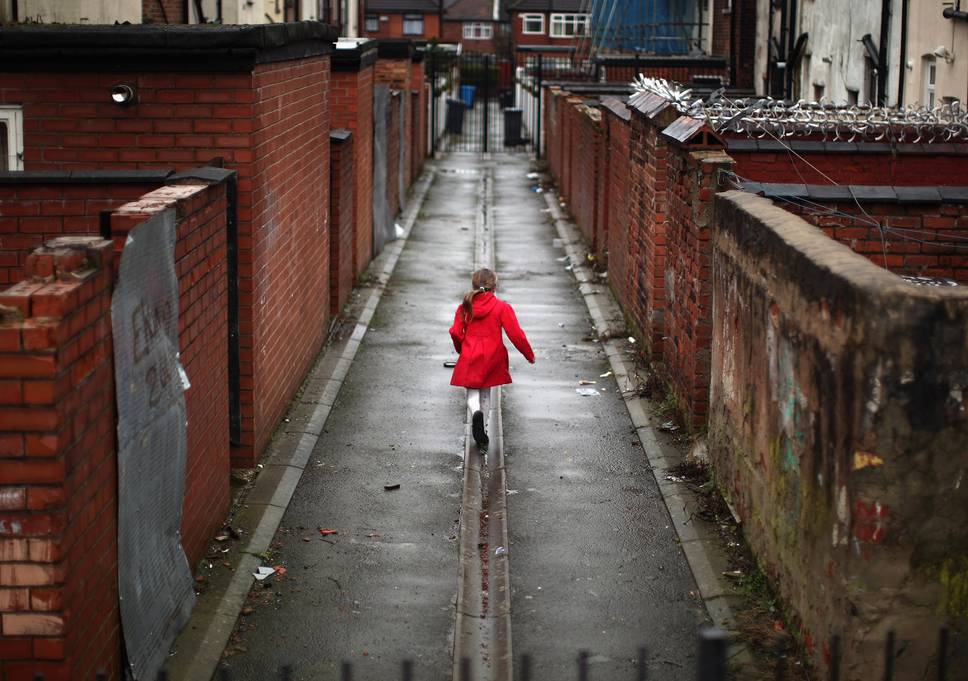
During the last three years, the number of people sleeping rough in the U.K. has increased by 73% and is now at record levels. Figures released earlier this year from the Ministry of Housing, Communities and Local Government revealed that on a single night in autumn 2017, around 4,751 people slept rough on Britain’s streets.
Westminster in London was the worse affected area, and London overall represented nearly a quarter of all homeless people in England. During 2017, 1,140 people slept on the streets on average nationwide, a 23% rise from the previous year.
Rick Henderson, chief executive of Charity Homeless Link, said in a statement about the shocking increase in homelessness across the U.K.: “This rise in rough sleeping is appalling, with a saddening growth in the number of people without a safe place to stay, and at risk of deteriorating mental and physical health.”
Crisis, the national charity for homeless people, warned that rough sleeping figures are actually much higher, with thousands more sleeping in trains, cars, tents and buses. Earlier figures released by the National Audit Office in September 2017 found the number of people sleeping rough in Britain had soared by 134% since the Conservatives came to power.
According to the NAO report, current government policies have exacerbated the problem, like the reforms to local housing allowance that make tenancies for housing claimants less affordable. Against the backdrop of tightened benefit allowances, rents continue to rise in Britain. Unable to collect on the rising cost of rent, landlords are evicting tenants at the end of their tenancy agreements, leaving them with nowhere to go but the streets.
Department for Communities and Local Government figures show that between 2010 and 2015, the number of households that became homeless at the end of a short-hold tenancy rose by 154%. The citation of rent arrears, as the reason for a person becoming homeless, grew by 36% in the same period.
And yet, as campaigners call the rise in homelessness a “catastrophe” and urge lawmakers to take “swift action” to tackle the problem, the swiftest action Britain has taken, so far, is the hurried removal of homeless people to make way for a $32 million royal wedding.