

We are in the midst of the first serious reexamination of government spying since the 1970s.
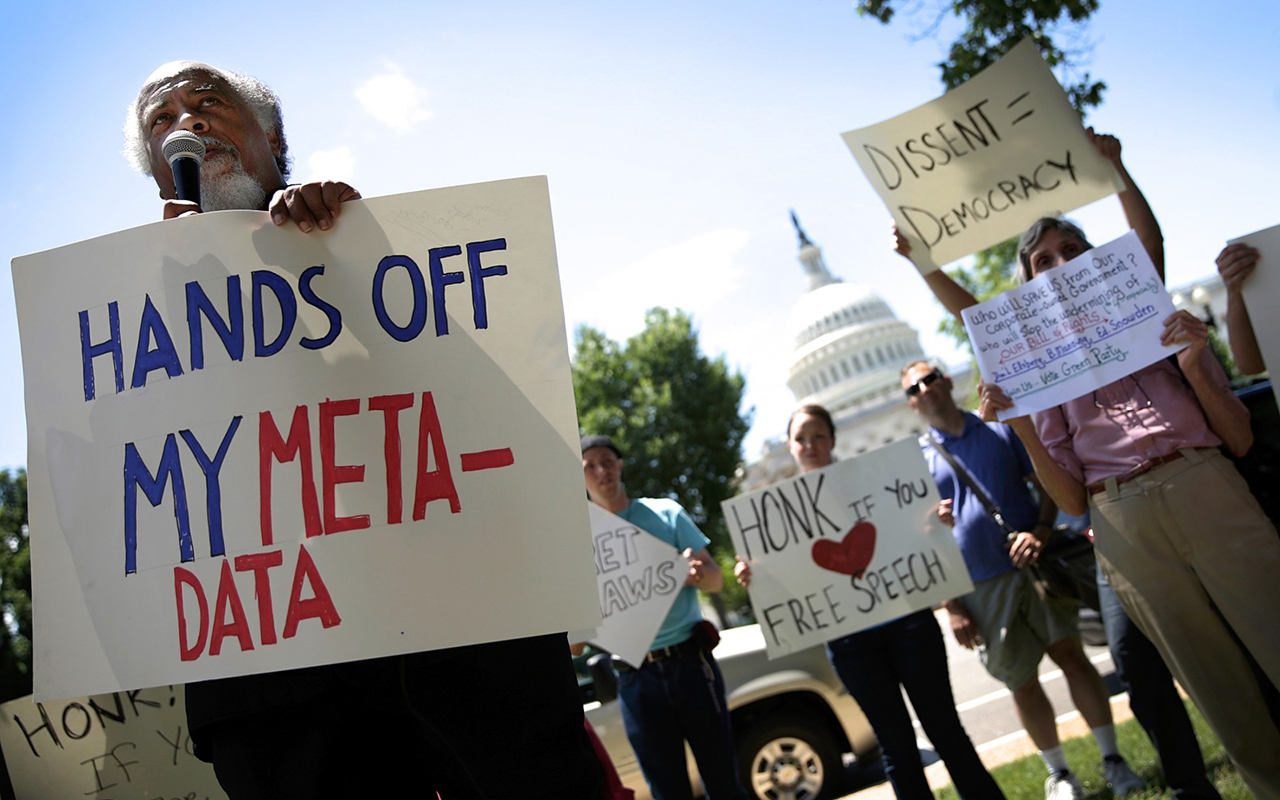
President Obama has asked a special review panel for initial recommendations by November. The normally secret Foreign Intelligence Surveillance Court, also known as the FISA court, has broken new ground by publishing a full-dress opinion upholding the collection of massive amounts of data on domestic telephone conversations. With James R. Clapper, director of national intelligence, all but conceding that there was a "good side" to Edward Snowden's leaks, we can expect significant actions by the courts and the executive.
The question is whether those actions will effectively control National Security Agency abuses. The reforms currently on the table fail this test. They are steps in the right direction, but they won't get us to the right destination. If we pretend otherwise, we will be in for more rogue conduct in the future.
But let us first give praise where it is due. The most prominent proposals insist that the FISA court should make public all opinions on important legal issues, protecting only truly secret details. They would also create a new civil liberties advocate to challenge the government's case for spying, enabling the court to hear both sides before reaching a final decision. With these two reforms, the FISA court would make it clear to the American people that it was doing its best to keep our massive surveillance operation under the rule of law.
That's great, but it isn't good enough. For starters, the scheme depends too heavily on the identity and capabilities of the civil liberties advocate. If, for example, an executive branch or intelligence agency insider were confirmed for the job, he or she might deliver only tepid arguments against surveillance. This would provide only the appearance of adversary presentation, and rather than restraining the court, it might enhance the credibility of FISA opinions that upheld exceptionally aggressive intrusions into the private lives of ordinary Americans.
This danger is compounded by the character of the judges sitting on the court. It is currently up to Supreme Court Chief Justice John G. Roberts Jr. to select federal judges to serve seven-year terms on the FISA court, and he has been exercising extreme partisanship in making his choices: 10 out of the 11 sitting judges were appointed by Republican presidents.
There's an even more fundamental problem. Only a single judge of the court is asked to resolve the issues raised by current surveillance programs. Single-judge decision made sense in 1978, when the statute creating the court was passed. In that low-tech era, nobody imagined that the NSA would be sweeping hundreds of millions of telephone and Internet communications into its computers. As a consequence, the statute borrowed heavily from the criminal law tradition in which a single judge authorizes a search warrant on a case-by-case basis after the government presents evidence of probable cause.
But no one person should be allowed the last word on the large constitutional and statutory issues raised by the massive programs of the present. These multi-dimensional questions should be resolved only after three judges deliberate together and try to reason their way to a thoughtful answer.
This will require major reform. A new statute should grant the chief justice the power to make only one of 13 appointments to the FISA court, giving a similar power to the chief judge of each of our 12 federal courts of appeal. FISA judges should be randomly assigned to three-member panels when confronting cases involving major surveillance issues. If the panel splits 2 to 1, the dissenter should have the right to ask all 13 judges to decide the case "en banc." In contrast, the current law contemplates review by a three-judge panel whose members are carefully vetted by the chief justice.
Such changes would go a long way toward creating FISA panels with a broad range of views — sometimes leading a majority to protect privacy rights, sometimes leading to ringing libertarian dissents. It would also reinforce the spine of a new civil liberties advocate, who would be committing malpractice if he or she failed to apply the court's libertarian precedents in future cases.
Once the intelligence agencies get the message that the court will no longer reliably approve their relentless efforts to expand the envelope of legality, they will put new checks on themselves, especially if they know that their excesses will be reported in published FISA opinions.
My proposal is no panacea. As a FISA judge recently emphasized, the court lacks the capacity to determine whether the NSA is obeying its decrees. This means that Congress should also create an especially powerful inspector general to keep the agency honest.
That's easier said than done. But one thing is clear: If we settle for merely feel-good reforms, there is a clear and present danger of another big scandal whenever the next Snowden blows the whistle, further damaging Americans' confidence in their government.
Bruce Ackerman is a professor of law and political science at Yale and the author of "The Decline and Fall of the American Republic."
3 WAYS TO SHOW YOUR SUPPORT



- Log in to post comments


