Submitted by sarahadams on
From a pro-democratic perspective, civil society and new media organisations are surging in the aftermath of the Orban regime.

Submitted by sarahadams on
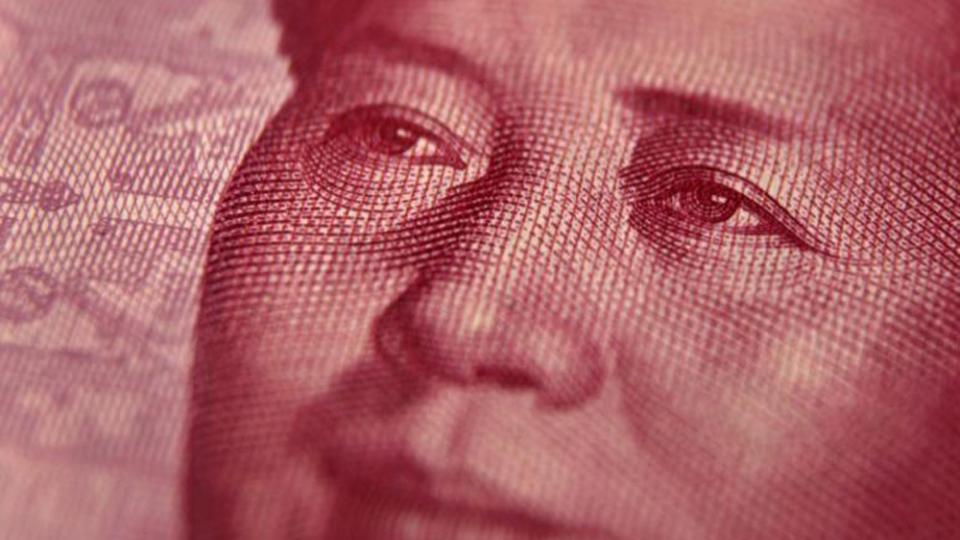



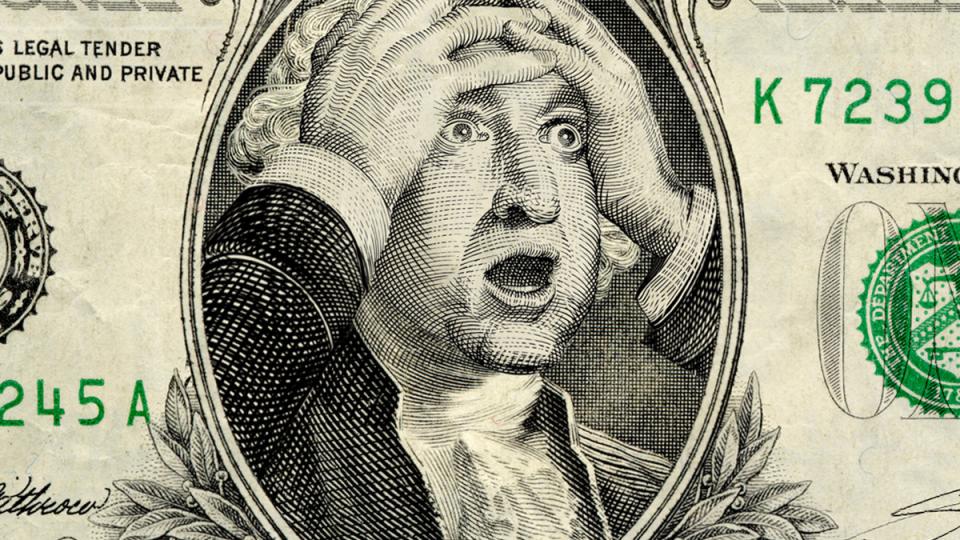



This last installment in a series looks at what the IMC has done, ahead of this weekend's conference, to maintain power among the world's most influential bodies controlling economic, financial and monetary affairs.
Top financiers at the International Monetary Conference engineered so-called "aid packages" for crisis-hit developing nations that were, much like today, nothing more than bailouts for the big banks.

Two years before the 1982 debt crisis erupted, the world’s top bankers met secretly in New Orleans and warned that a “safety net” may be needed to bail out the major banks which lent money to the developing world.
This four-part Global Power Project series takes on the secretive meeting of global financiers happening in June at the International Monetary Conference in Munich.
"I think the economic logic behind dumping a load of toxic waste in the lowest wage country is impeccable and we should face up to that," wrote Lawrence Summers while serving as Chief Economist at the World Bank. He is now in the G30.

From Jean-Claude Trichet and Mario Draghi to Jaime Caruana and Kenneth Rogoff, proponents of austerity politics run in some of the world's elite circles where they have pushed illogical and unsuccessful economics to its inevitable conclusion.

What makes the G30 so important is not only that they are taken seriously by policymakers and market "participants" – but that the very individuals making the recommendations are in positions of power to directly implement or support those recommendations.

Emerging from the Rockefeller Foundation in the late 1970s, the Group of Thirty was designed as a think tank, lobby/industry group and, ultimately, a consensus-building institution for the global elites – to ensure that they stayed that way.
Institutional and imperial power structures have never been more globalized or concentrated in human history; yet, simultaneously, never have they been under more threat from an awakened humanity. Zbigniew Brzezinski says there's no going back.

The relationship between the powerfully connected Institute of International Finance and global central bankers goes well beyond the timid attempts at “regulation” on the part of global banks, as this third segment in the IFF series reveals.

From a pro-democratic perspective, civil society and new media organisations are surging in the aftermath of the Orban regime.

The country’s new prime minister, Andy Burnham, has promised a break from the politics of the last 40 years—realizing more broadly that Labour must stand up for the 99% against big business, or the party will become irrelevant.

The tragic shooting of Lorenzo Salgado Araujo is just the latest example of ICE having a fundamental disrespect for human life — further proving why the agency should be stripped of funding and shut down, and its rank-and-file agents and leadership prosecuted.

While the U.S., EU and their allies are enabling Rojava—the strongest force against Islamic State— to fall, it is vital for internationalists to continue to support this beacon of democracy and liberation.

June 23, 2026 may be remembered as the beginning of the end of the Democratic Party establishment.

The current wave of food recalls is a direct byproduct of President Donald Trump’s administration deliberately removing the safeguards put in place aimed at protecting American consumers more than a century ago.
From a pro-democratic perspective, civil society and new media organisations are surging in the aftermath of the Orban regime.

We can still celebrate success while simultaneously putting a cap on net worth.
The country’s new prime minister, Andy Burnham, has promised a break from the politics of the last 40 years—realizing more broadly that Labour must stand up for the 99% against big business, or the party will become irrelevant.

Much like the resistance to AI data centers, the opposition to Flock surveillance cameras has brought the left and the right together against billionaires who are trying to force America into becoming even more of a police state.
Much like the resistance to AI data centers, the opposition to Flock surveillance cameras has brought the left and the right together against billionaires who are trying to force America into becoming even more of a police state.
The country’s new prime minister, Andy Burnham, has promised a break from the politics of the last 40 years—realizing more broadly that Labour must stand up for the 99% against big business, or the party will become irrelevant.
We can still celebrate success while simultaneously putting a cap on net worth.
The current wave of food recalls is a direct byproduct of President Donald Trump’s administration deliberately removing the safeguards put in place aimed at protecting American consumers more than a century ago.
From a pro-democratic perspective, civil society and new media organisations are surging in the aftermath of the Orban regime.
The current wave of food recalls is a direct byproduct of President Donald Trump’s administration deliberately removing the safeguards put in place aimed at protecting American consumers more than a century ago.
From a pro-democratic perspective, civil society and new media organisations are surging in the aftermath of the Orban regime.
From a pro-democratic perspective, civil society and new media organisations are surging in the aftermath of the Orban regime.

The star-studded summer blockbuster has been lauded as a feminist film. But Barbie is not just pro-women—it’s also very pro-men.

"POTUS" is an acronym political journalists frequently use when talking about the President of the United States. However, "POTUS" seems a woefully soft and inadequate word to describe the current occupant of the Oval Office.

Washington Post reporter Drew Harwell talks about how Americans are welcoming surveillance devices like Ring and Nest into their homes, and — as they can now watch their front doors, babysitters, children and pets all day long — how surveillance has become normalized.