
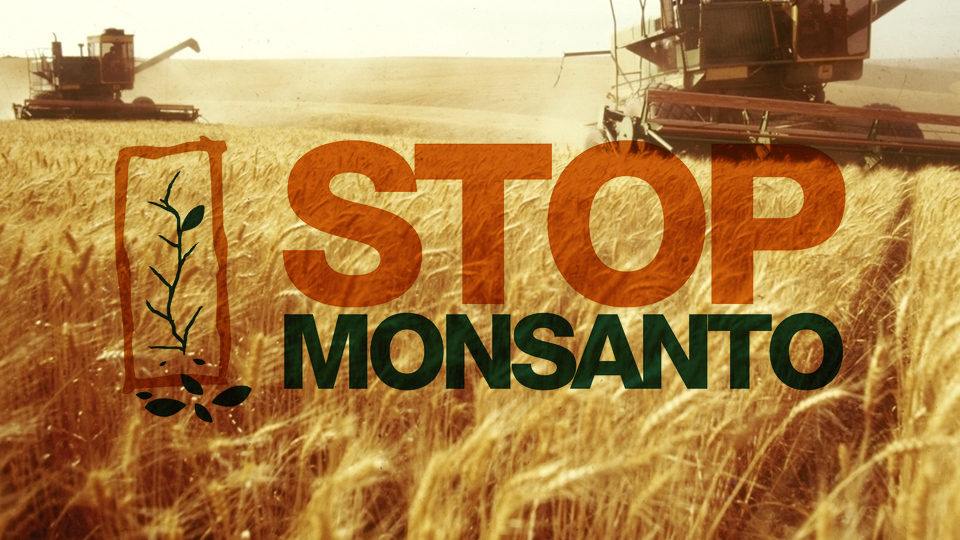
Through rampant and unchecked genetic manipulation, multinational biotechnology juggernauts like Monsanto continue to churn out genetically modified creations that threaten the entire planet in a way that we have never before witnessed throughout history. Examining the role of genetic manipulation, even going beyond the affects on human health, it’s easy to see how the very genetic integrity of the environment can be compromised in the blink of an eye — and that’s even more concerning than the potential human health effects.
Here are three ways Monsanto continues to threaten life on our planet, and perhaps more importantly — with the second global March Against Monsanto on October 12 in towns and cities worldwide — what we can do about it:
1. Global Genetic Contamination
A major issue surrounding Monsanto’s out of control augmentation of the food supply (as well as other biotech giants actually genetically modifying animals) has to do with the genetic contamination of plants on a major scale. And while the notion is already disturbing, the reality is that we’ve already seen incidents of large-scale genetic contamination on behalf of Monsanto. Going back to the escape of genetically modified wheat in traditional crop, for example, is a perfect example of genetic contamination in action.
Even Reuters reported on the spread of the GM wheat beyond Monsanto test fields — a contamination event that incited lawsuits from farmers who wanted nothing to do with Monsanto’s GMOs. An event that follows similar reports on the depth of GM contamination, such as the admission that we documented on NaturalSociety regarding the spread of genetically modified flax among the food supply since the 90s. Once again, we see the unexpected pollution of the food supply on behalf of GM contamination — an issue that’s already costing us (and threatening our health).
“GE contamination is already costing the taxpayer,” said Lucy Sharratt of the Canadian Biotechnology Action Network. “Contamination is inevitable and these costs will keep recurring.”
2. Squelching Knowledge Through GM Labeling
Monsanto’s number one enemy? Knowledge: specifically on the subject of what is actually lurking in your food supply. That’s why Monsanto is doing a great job in shoveling millions into the furnace of anti-labeling propaganda in order to keep you in the dark about what’s inside your favorite food brand. Because after all, Monsanto would likely go bankrupt if everyone knew what they were truly eating. Corporations would be forced to respond to public action, removing the GMOs from the products to regain any form of credibility and sales, and as a result Monsanto would be kicked out of the marketplace.
This is why we see Monsanto shelling out millions to fight GMO labeling and the right for consumers to know what they’re feeding themselves and their families.
3. Monsanto Controls Key Government Positions
It is through the manipulation of key political figures that Monsanto is able to manipulate our food supply, and this reality is actually much more devastating than you may think. Because not only does it mean that Monsanto will rail through their new GMOs with limited testing (the USDA is actually giving Monsanto special ‘speedy approval’ now to ram through their latest GMO abominations as I told you back in February of 2012), but it also means that Monsanto goons, who are willing to profit on food supply monopoly while ignoring all legitimate concerns, have a major pull on international trends.
Just look at the fact that taxpayers are now paying for Monsanto’s promotional marketing tools that are spread overseas in order to generate further business for the company. All through the U.S. State Department. We are now paying for Monsanto as if it were a government agency.
Taking A Stand
The fact of the matter is that, despite the funding and overall reckless corporate behavior, Monsanto is nothing compared to the power of the consumer at large. As I touched on earlier, even GMO labeling legislation has the ability to take down Monsanto profits dramatically. Even during the campaign we launched earlier this year, the Monsanto Video Revolt, we were able to reduce Monsanto’s stock while spreading the word. What it takes is you joining in the intellectual fight and spreading the word.
Because ultimately, it’s up to us to take back the food supply.
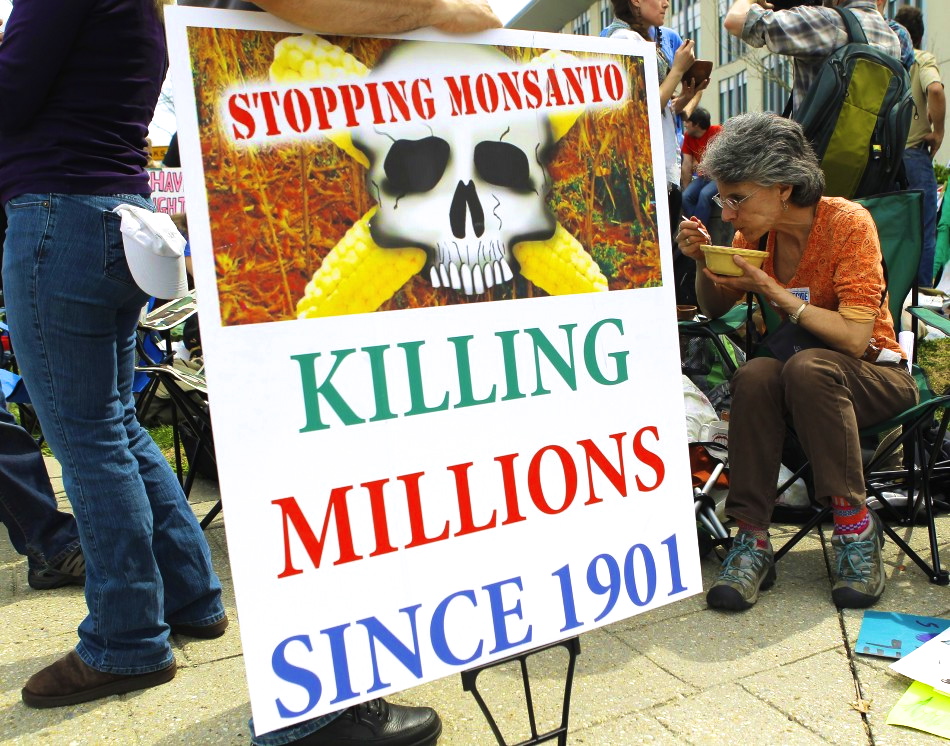
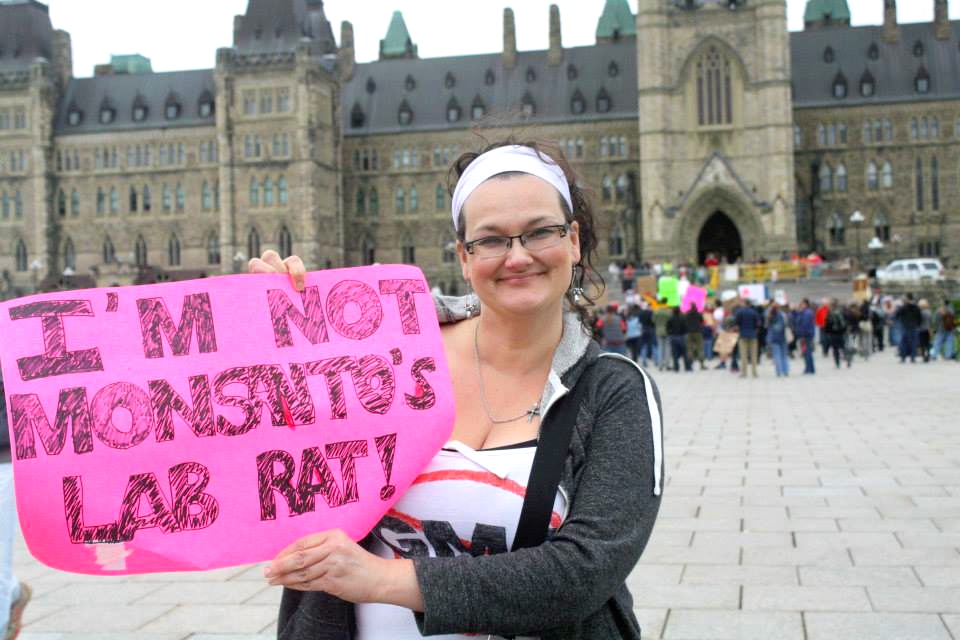
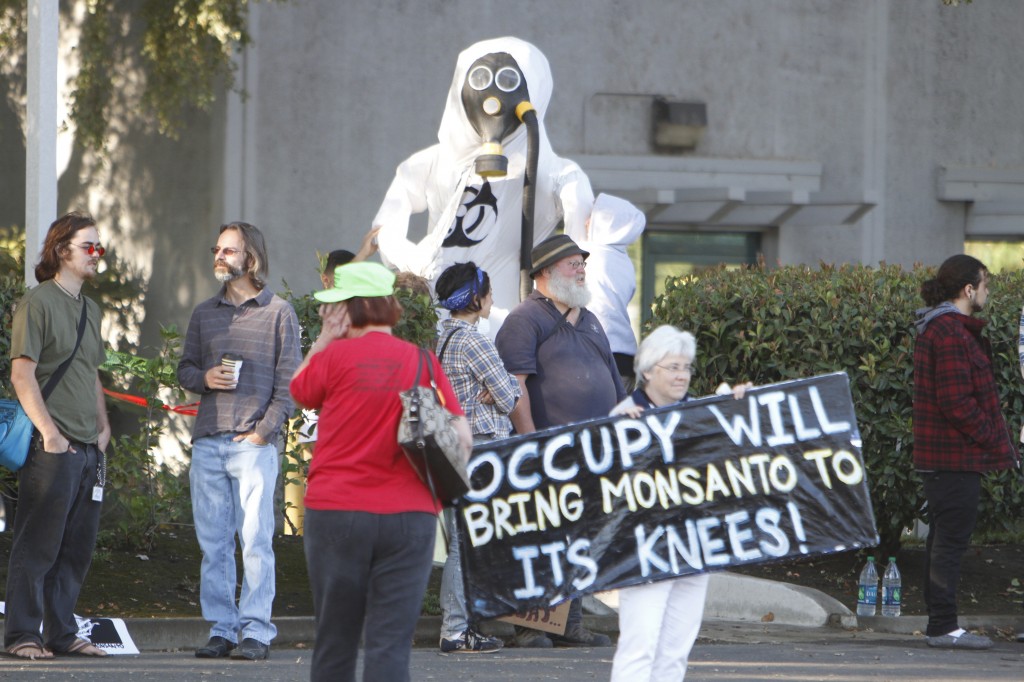
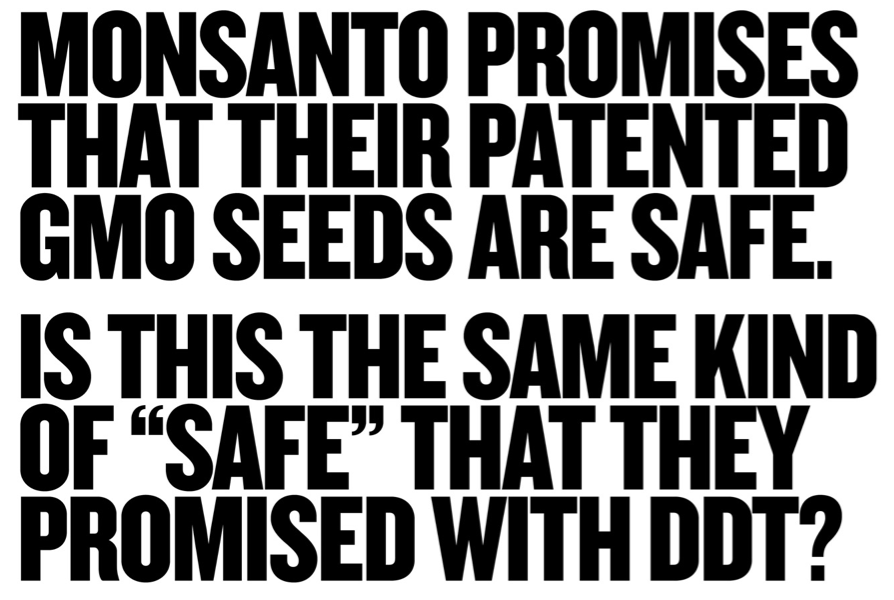
For more information about the global March Against Monsanto happening this Saturday, October 12 in hundreds of cities worldwide, visit March Against Monsanto.
3 WAYS TO SHOW YOUR SUPPORT


- Log in to post comments


