The UK Green Party has closed the gap on Labour, and is even leading in some polls. This is seismic.
After Labour’s shallow victory in the 2024 election, its popularity has plummeted. Since 2025, Nigel Farage’s Trump-style Reform Party has led most opinion polls. With support for Conservatives collapsed, Britain was sleepwalking toward far-right populism.
Until now.
In September, Zack Polanski won the Green Party leadership contest, and since garnering evermore support, they are now in position to challenge Labour. The Green's and Polanski are now drawing comparisons with Zohran Mamdani, New York City’s new mayor.
Both are winning on pledges to tax the 1% and tackle the system crisis being faced on both sides of the Atlantic. Both suggest that to take on far-right populists at the ballot box, you need to oppose the conditions that allowed the far-right to prosper in the first place.
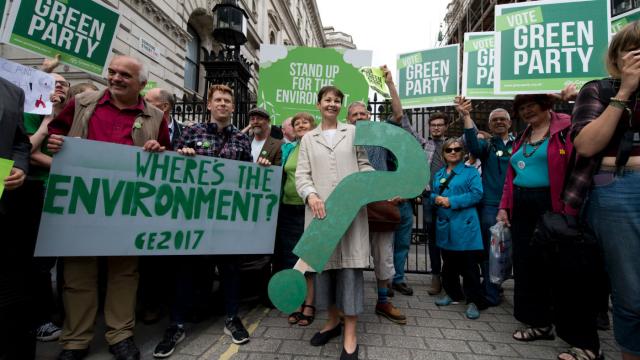
The end of Britain's two-party system?
A Reform victory at the next General Election promises US ICE-style mass deportations and deeper cuts to already strained public services, like the kind done by Elon Musk's DOGE.
Labour is mimicking the direction of these pledges, which has led some Labour MPs to describe its crackdown on refugee rights as “repugnant” and “cruel” – including making it harder to access welfare and the right to remain.
Labour has likewise extended the austerity policies of the previous Conservative government, extending cuts on welfare. Labour occupies the space once held by the Conservatives. Both are being dragged to the far-right by Reform. At the same time, both of the traditionally largest parties in Britain are hemorrhaging support.
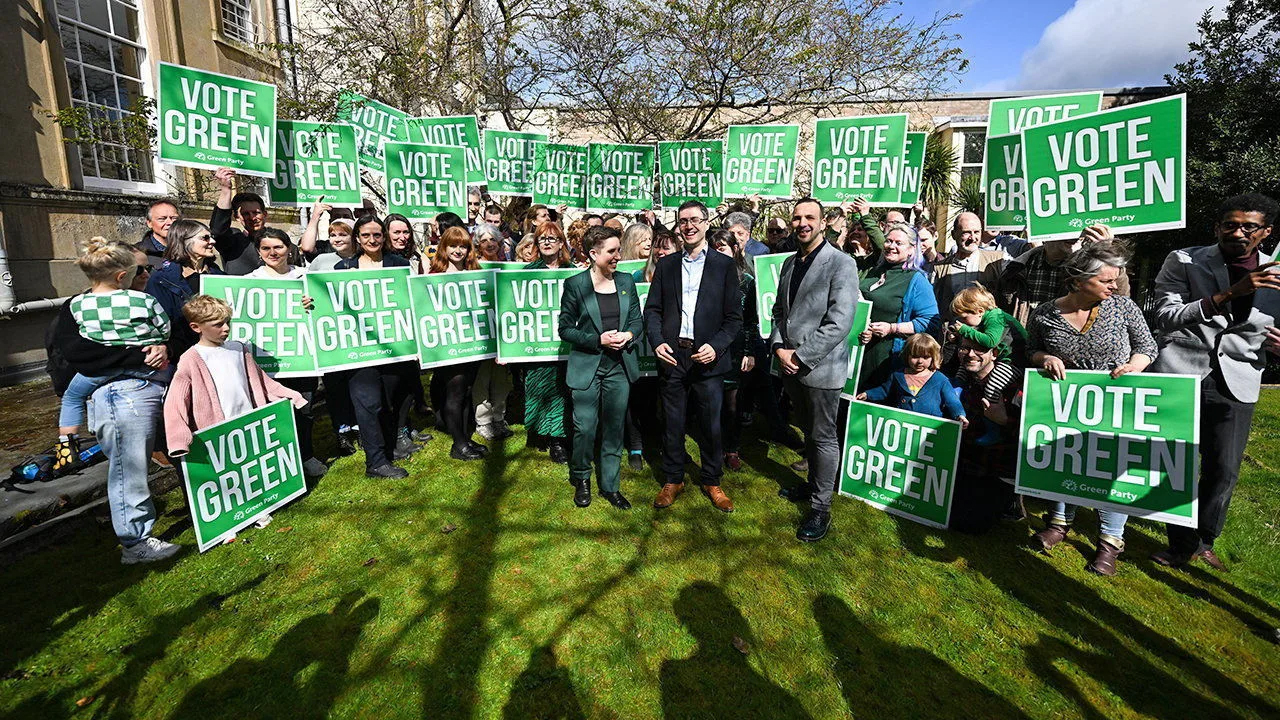
Broadly, the Green Party support has increased this decade, growing from one to four MPs in 2024's General Election. But their popularity has surged since September, when Polanski took the helm.
Labour faces an existential crisis of its own making. By aligning with corporate interests and offering little substantive change, it is losing its main appeal for many voters — that it is simply not Reform.
With the Greens now close to overtaking Labour, progressive voters who once backed Labour as the “lesser evil” finally have a progressive alternative. This will likely accelerate the Green surge, as happened when Reform overtook the collapsing Conservatives on the hard Right.
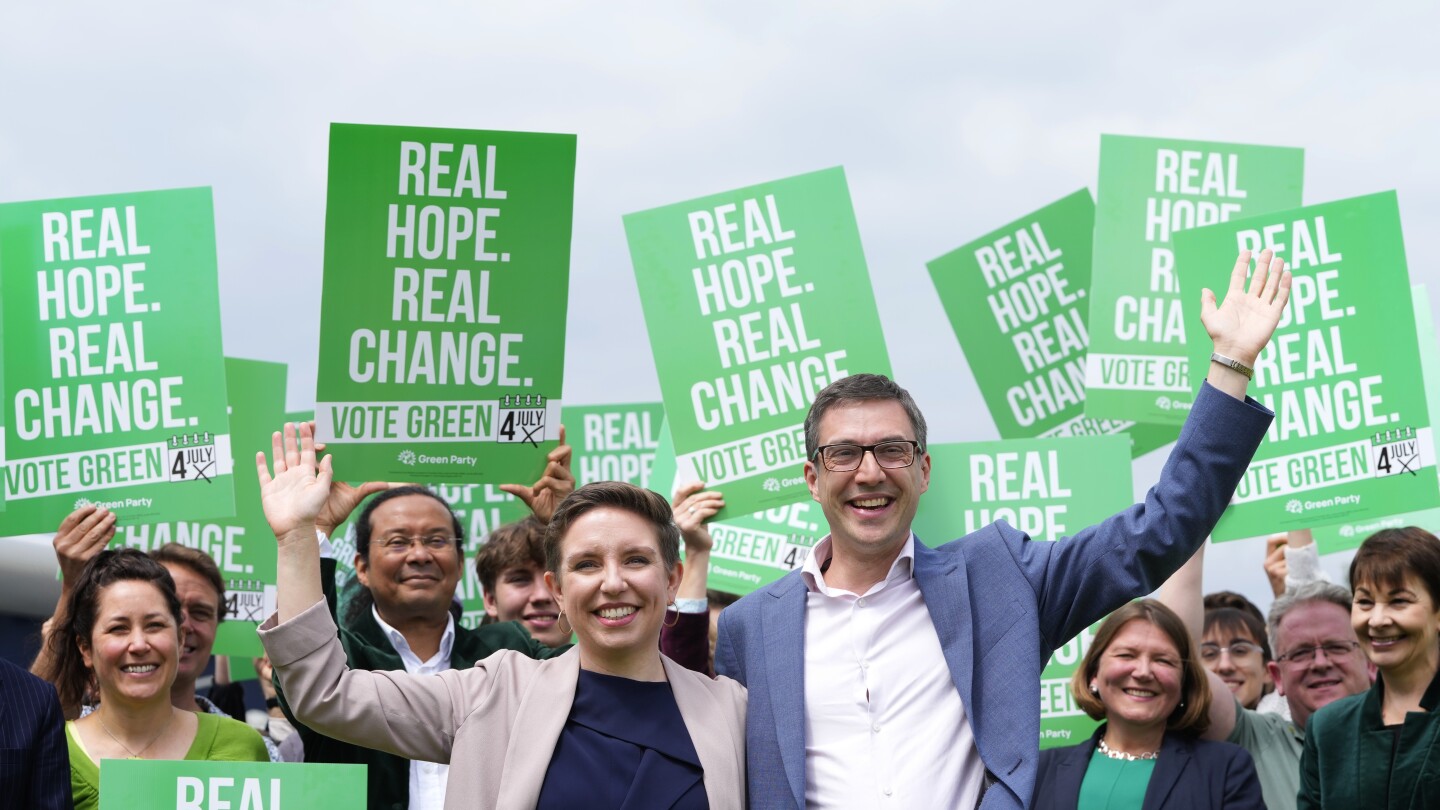
Green rises from Labour's ashes
Britain has predominantly had a two-party system. Scotland, Wales and Northern Ireland have progressive political alternatives compared to England, yet due to England's population and the first-past-the-post voting system, Labour and Conservatives have held power here since as far back as 1922, with occasional junior partners.
Since 1979, Labour have only led the country when they pursue a neoliberal agenda. But the way Labour's former leader, Jeremy Corbyn, was relentlessly attacked showed the limits of this status-quo. Until now.
The Greens are offering a new pathway. Their policies include taxing the super-rich, bringing utilities into public ownership, providing free-school meals and establishing rent controls, alongside other ecologically sound and socially progressive pledges.
When Polanski won overwhelmingly to become the party’s leader, he said, “This Labour government, like the Conservatives before it, has stood by whilst the 1% get ever richer at the expense of ordinary people.”
It’s not only the Green Party’s policies that dovetail with Mamdani's pledges in New York. Polanski is also, like Mamdani, adept at spreading his message on social media to take on Labour and Reform.
In one video, Polanski heads to the beaches where far-right populists obsess over refugees in small boats. He calls “bullshit” on the scapegoating, pointing out that billionaire wealth has doubled since Covid while everyone gets poorer. His conclusion is blunt: the real problem isn’t migrants in small boats, it’s the super-rich and their yachts.

Taking on Reform (and the establishment)
Reform's popularity have soared due to the amount of airtime they have been given by the media, which are predominantly owned by billionaires whose interests align with their own.
As the Greens grow in popularity, establishment-aligned media will likely step up efforts to undermine them—just as they did during the Scottish independence referendum and the Corbyn-led Labour Party. To beat Reform at the next election, the Greens will have to push through an establishment orchestrated attack of fear and falsehoods.
Hindsight on how to do this are offered by the British establishment’s reaction to the Scottish referendum and the Corbyn project — arguably the two greatest challenges to the neoliberal UK consensus in recent times.
Indy-ref suffered as a transformative project as the leading SNP force was limited in its ambitions, whereas the call for systemic change came greatly from people organising alongside the Scottish Greens. The Corbyn project had to fight neoliberal forces from within the Labour Party – who are now leading the country – as well as the rest of the corporate establishment.
The Corbyn project also acted as a drain on social movements, pulling resources and energy away. Bearing this in mind: the Greens – or anyone aiming at systemic change in the UK or beyond – should consider how to align with forces beyond party politics pushing for systemic change, without usurping their power.
Green membership is soaring, including many ex-Corbyn supporters. The Greens are shaking off their middle class vibe, with their new policies taking on the 1%. Journalist and Green Party member Adam Ramsay explains how the Young Greens are driving this change — as a generation that grew up struggling against the Iraq War, austerity, corporate domination and culture wars.
They are also pushing out toxic ideas that had infiltrated the party, such as transphobia.
But to truly challenge Reform and the British establishment, the Greens will need to work out how to utilise their increasing membership and work alongside social movements. They need to act on the lessons learned in the last decade and figure out how to overcome new obstacles that will be thrown their way.
The 2029 election is still far away. Yet hope has regained a pulse. The car-crash of Britain electing a Trump-style government is not inevitable. Echoing the tectonic shift spurred by Mamdani’s win in New York City last month, a political earthquake may be now in its early rumbling stages in the UK as well.