
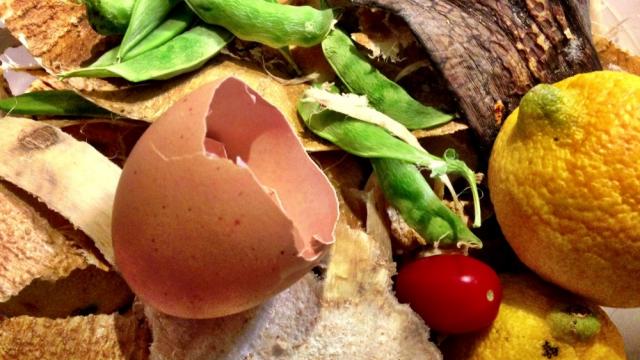
Seattle residents will soon have to be more careful about where they toss their empty coffee cups and leftover food scraps.
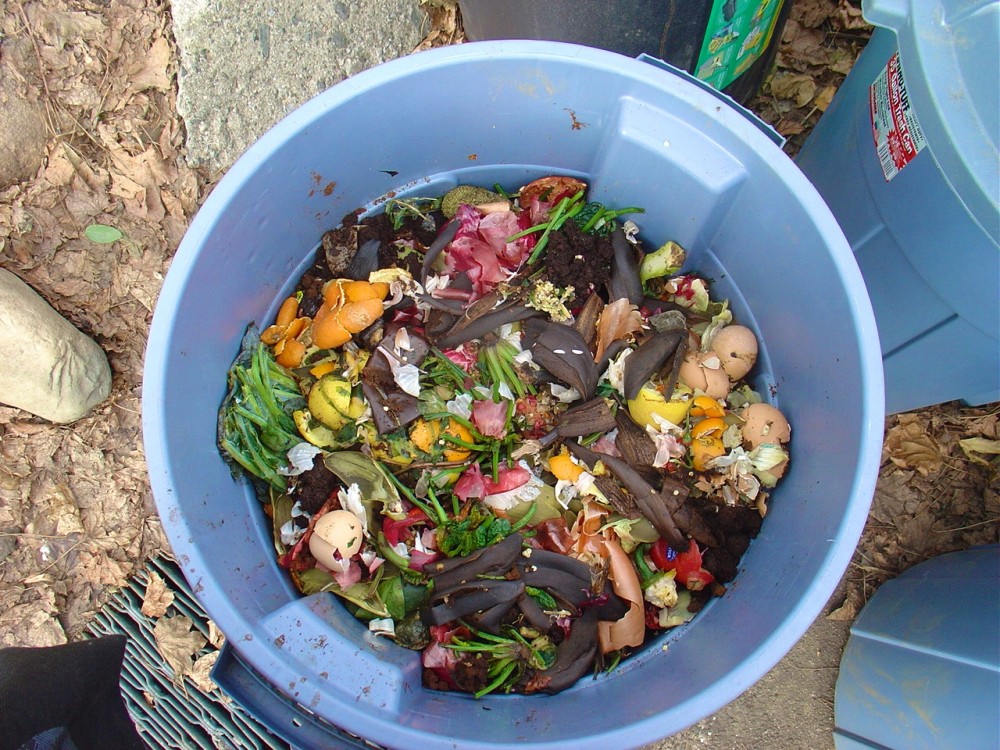
That’s because the Seattle city council voted on Monday to fine residents who don’t properly separate their food waste from their garbage so that it can be collected and recycled into natural fertilizer, otherwise known as composting.
The new ordinance, which will go into effect in 2015, will fine residents $1 per violation and businesses $50 per violation, and is meant to move Seattle toward its goal of recycling 60 percent of its waste by next year, according to local media.
Seattle Public Utilities, the city agency that regulates waste disposal, doesn’t expect to collect many fines — it has collected less than $2,000 since it instituted a ban on mixing recyclable items with trash nine years ago, according to the Seattle Times newspaper.
“The point isn’t to raise revenue,” Tim Croll, SPU’s solid-waste director, told the newspaper. “We care more about reminding people to separate their materials.”
Until now, Seattle residents were encouraged to compost, but it wasn’t required, according to the Times.
The EPA estimates that 35 million tons of food waste are dumped into landfills and incinerators each year in the U.S., where it rots and turns into methane, a greenhouse gas.
Keeping compost bins in one’s home or yard to recycle food waste used to be considered something only hippies did, but it’s increasingly common in liberal-leaning enclaves, including San Francisco, which in 2009 became the first U.S. city to impose a $100 fine for compost non-compliance.
Seattleites, like San Franciscans, may have been prone to composting, but no one seems to like the idea of fines.
“Personally, I’m a fan of composting,” said Colin Hearn, 28, a Seattle resident who works at a marijuana dispensary. “I think it’s kind of hypocritical not to compost. But in terms of regulating it, I’m not sure about that.”
Hearn is not a big fan of government regulation of much of anything, though. He thinks incentivizing composting would be a better way to encourage people to do it.
“I guess it would be foolish not to try it,” he said. “But I don’t like the idea of punishing someone for not composting. It’s not our fault that so much of our food is packaged in things that have to be thrown away to create the things that become garbage in the first place.”
Marty Bisch, 59, a retired police officer and lifelong Seattle resident, said the city’s anti-establishment tendencies will probably mean opposition to the fines, even if they’re just a dollar.
“I realize that things are either a carrot or a stick mentality, but I would rather see someone get a reward than a fine,” he said. “I don’t think that’s going to be a big incentive for people who aren’t composting.”
But Bisch does think composting is a well-supported practice in Seattle. He’s been composting at his condominium complex for the last few years, and can even recall his own Depression Era grandparents doing it, too.
“Composting was just kind of a way of life so you could have good soil to grow fruits or vegetables,” he said. “It was not foreign to me when we started doing it officially.”
While Bisch’s experience as a cop showed him that many Seattlelites don’t like being told what do to — “There’s a tendency for people in Seattle to push up against authority,” he said — taking care of their surroundings is another thing entirely.
“I think people take individual responsibility for what they do,” he said. “Seattle is a really beautiful, pristine place, and I think a lot of people want to do their part to keep it that way.”
3 WAYS TO SHOW YOUR SUPPORT



- Log in to post comments


