
Read

User menu

Search form

Keystone XL Pipeline Would Destroy Our Native Lands – This Is Why We Fight

Keystone XL Pipeline Would Destroy Our Native Lands – This Is Why We Fight
Mon, 1/26/2015 - by Dallas Goldtooth
This article originally appeared on The Guardian

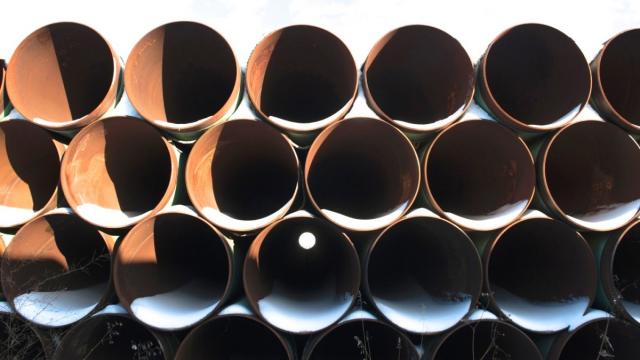
The Oceti Sakowin, the traditional name for my Dakota, Lakota, and Nakota peoples, are rising up to protect Mother Earth. We are mobilizing a resistance that could prove to be the game changer in the fight to stop the proposed Keystone XL pipeline and help shut down the tar sand projects in northern Alberta.

Our resistance to the Keystone XL pipeline and other tar sand infrastructure is grounded in our inherent right to self-determination as indigenous peoples. As the original caretakers, we know what it will take to ensure these lands are available for generations to come. This pipeline will leak, it will contaminate the water. It will encourage greater tar sands development, which, in turn, will increase carbon emissions.

As Oceti Sakowin people, we cannot stand silent in the face of the potential ecological disaster that the pipeline promises our homelands, along with our brothers and sisters of the Cree and Dene First Nations in Alberta, where this carbon-intensive dirty oil comes from. Our acts of resistance to the Keystone XL pipeline are a perfect example of us wising up to the ongoing modern colonialist game, and a proactive step toward protecting future generations from the worst impacts of climate change.

As indigenous peoples, as Oceti Sakowin, we were handed down the original teachings on how to live in balance with Mother Earth. We must see all aspects of life as related, to respect the feminine principle of creation and to maintain a sustainable relationship with the land. These tenets are antithetical to the extractive economy we are faced with today. The land, air, and water are commodified. Mother Earth is being drilled, fracked, clear-cut, and destroyed with such brutality. We are on the brink of climate catastrophe. In order to avoid drastic climate change, we need a moratorium on fossil fuel development and we need to invest in a zero carbon economy: our original teachings demand no less than this.

The lack of proper consultation with tribal nations along the proposed route of the Keystone XL pipeline violates basic tenets of U.S. Federal Indian Law and the principle of free, prior and informed consent recognized in international law. I applaud President Obama’s decision to veto any Congressional Keystone XL bill, but I also encourage him to respect indigenous people’s self-determination and our need to protect Mother Earth by rejecting the presidential permit for the KXL pipeline, too.

I urge our allies to stand with Native people, heed our call for systemic change to how we create and utilize energy and the policies that regulate both, support our right to self-determination, and join our movement to protect the territorial integrity and sacredness of Mother Earth. Reject the Keystone XL pipeline. Shut down the tar sands. Let’s put an immense collective effort forward to ensure that each of our future generations have a healthier, far more sustainable world than what we have today. For that, my relatives, would be our greatest triumph.

Originally published by The Guardian

3 WAYS TO SHOW YOUR SUPPORT

ONE-TIME DONATION

Just use the simple form below to make a single direct donation.

DONATE NOW

MONTHLY DONATION

Be a sustaining sponsor. Give a reacurring monthly donation at any level.

GET SOME MERCH!

Now you can wear your support too! From T-Shirts to tote bags.

SHOP TODAY

Sign Up

Article Tabs

Their tactics to force construction of data centers even against significant opposition from local communities have become increasingly forceful and hostile.

Whether Republicans want to be the party of Christianity or the party of worshipping false idols is a question they’ll have to seriously reckon with very soon, unless they want the American electorate to speak for them.

“Storytelling teaches not through instruction, but through imagination and example,” says the Sami artist Máret Ánne Sara. “These stories don’t provide direct answers, but rather the ethical tools to navigate and sustain the world.”

Republicans’ fate in the 2026 midterms is likely sealed. But they could be out of power for multiple subsequent election cycles if Democrats are smart.

In November, Indigenous protests in London included the launch of “Bringing It All Back Home,” confronting corporate power head-on.

Their tactics to force construction of data centers even against significant opposition from local communities have become increasingly forceful and hostile.

Whether Republicans want to be the party of Christianity or the party of worshipping false idols is a question they’ll have to seriously reckon with very soon, unless they want the American electorate to speak for them.

“Storytelling teaches not through instruction, but through imagination and example,” says the Sami artist Máret Ánne Sara. “These stories don’t provide direct answers, but rather the ethical tools to navigate and sustain the world.”

Republicans’ fate in the 2026 midterms is likely sealed. But they could be out of power for multiple subsequent election cycles if Democrats are smart.

In November, Indigenous protests in London included the launch of “Bringing It All Back Home,” confronting corporate power head-on.

Republicans’ fate in the 2026 midterms is likely sealed. But they could be out of power for multiple subsequent election cycles if Democrats are smart.

Posted 1 month 1 week ago

Whether Republicans want to be the party of Christianity or the party of worshipping false idols is a question they’ll have to seriously reckon with very soon, unless they want the American electorate to speak for them.

Posted 1 month 1 week ago

Their tactics to force construction of data centers even against significant opposition from local communities have become increasingly forceful and hostile.

Posted 1 week 1 day ago

“Storytelling teaches not through instruction, but through imagination and example,” says the Sami artist Máret Ánne Sara. “These stories don’t provide direct answers, but rather the ethical tools to navigate and sustain the world.”

Posted 1 month 1 week ago