
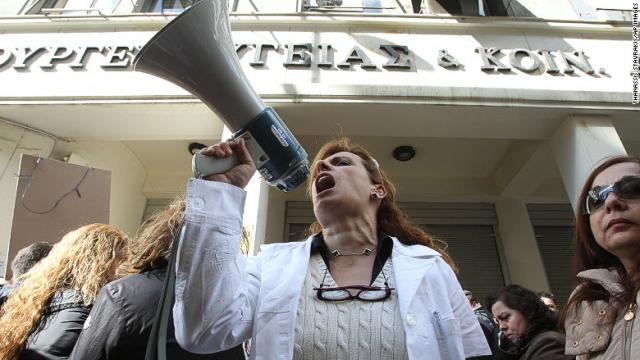
The crisis of Greece's failing healthcare system is nothing new. Even before the financial crisis and the slew of austerity cutbacks that followed, Greece's public hospitals were notoriously understaffed and poorly equipped, with a management structure based on long-outdated policies that couldn't adapt to the changing needs of the population.
In fact, many of the proposed cutbacks to Greece's healthcare were being considered by the government long before the crisis. The reasoning? Officials wanted to squeeze funds out of the administrative budget to compensate for the overwhelming drain the public sector was imposing on the country's resources. In the pre-financial meltdown era, Greece's Social Health Insurance (SHI) system already suffered considerable problems regarding coverage, forcing citizens to spend out of pocket for doctors. The sizable under-the-counter economy that resulted from these practices brought the system to the edge of collapse, and finally tipped it over the edge by early 2013.
After the Collapse
In 2014, the Greek health department cut off its cancer screening prevention program, despite a number of warnings issued by professionals both within the country and abroad that such an action would lead to an explosion in otherwise preventable cases turning serious. According to a statement by Evgenia Thanou, general manager for Doctors of the World, “There are people with tumors who can’t afford the cost of chemotherapy, which costs €2,500 for a single dose. As a result there are people who have died because they have not been able to get the correct treatment from the point of diagnosis."
The rationale was that the budget cutbacks, in the range of 55 percent, would only take place on a short term basis, just long enough to allow for the country to recuperate from recently imposed austerity measures. Charges for outpatient visits were also increased by 50 percent per visit, and almost 200 medicines were de-stocked by pharmacies.
A further consequence was the artificial drug shortage, caused by companies like Novo Nordisk, which halted insulin shipments to Greece unless the retail prices were raised in a supposed effort to curb hoarding and black market export by professionals. Almost three years later, this policy is still in effect.
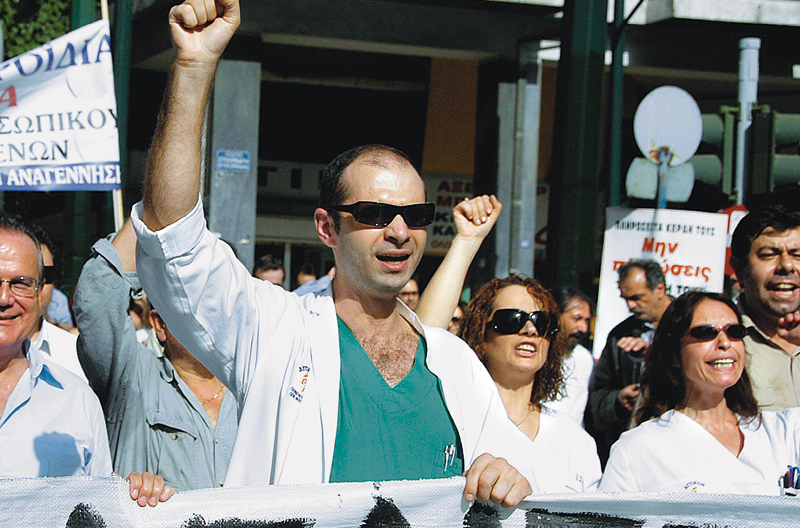
The result was the gradual closure of 850 medical clinics, both in the capital Athens as well as in the countryside. Ten thousand beds have been shut down across the country, and 30,000 healthcare professionals removed from frontline positions. Those who remained saw their wages cut by at least 50 percent.
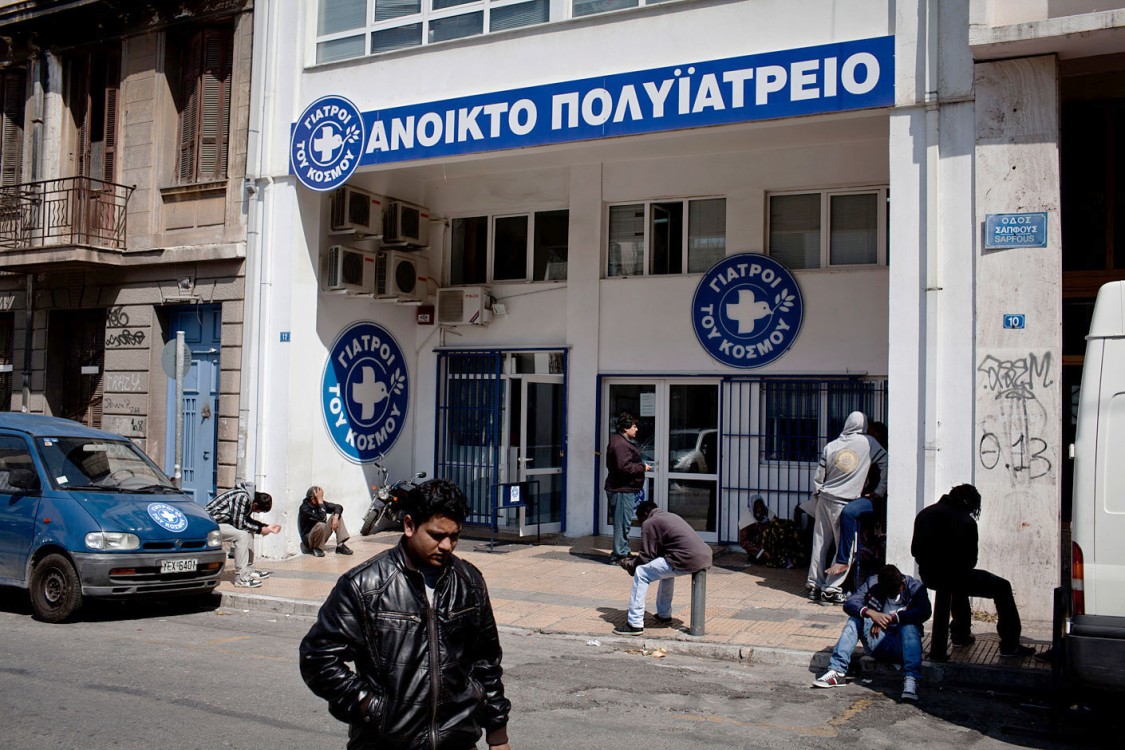
Among 11 hospitals that have shut down, three are psychiatric while the rest include rural clinics in remote parts of the country, leaving locals without access to a professional in the event of an emergency. The crisis led to the creation of numerous volunteer healthcare organizations in 2015, but their contributions couldn't put a dent in the number of patients unable to afford any healthcare options.
That same year saw the mass migration of thousands of recently graduated or established Greek healthcare professionals across Europe, with almost 4,000 headed for Germany and the Nordic countries seeking steadier employment in a more welcoming professional environment. The results of the brain drain haven't yet been entirely felt, but experts agree the long-term effects could cripple the country's prospects for decades to come.
One visiting U.K. doctor likened current healthcare conditions in Greece to a developing country, where "people die before they can be treated" waiting in line for hours at understaffed hospitals. Furthermore, a lack of proper diagnostic equipment in Greek hospitals was confirmed by a 2016 Federation of Public Hospital Workers (POEDIN) report, which verified that major public hospitals with a steady influx of patients suffered regular technological shortcomings. The report even highlighted the key role these failures played leading to an unnecessary loss of life among patients.
Too Little Too Late?
Greece's current Minister of Health, Andreas Xanthos, has promised to take a page from Portugal's strategy, implementing a new system in 2017 designed to strengthen the country's ailing primary healthcare. The program would allow Greece's public healthcare system to employ 3,000 additional professionals and fund 250 local health centers in 60 cities. Starting in 2018, Xanthos promises the changes will provide jobs to an additional 3,200 healthcare workers, bringing system up to World Health Organization standards.
"In this effort to implement the new system for primary health we have the support of the WHO," the minister said. "We have presented our plan to the executives of the Organization and they declared their readiness to provide technical and scientific support for steps to be taken, based on the experience of Portugal that introduced this type of system 15 years ago.”
To many Greeks, the promise seems overly optimistic in light of the Syriza government's failure to break from the corrupt practices of the past 30 years. Then again, the Greek public doesn't have much more to go on – except the promise that a decline in their condition doesn't come with an expiration date.
3 WAYS TO SHOW YOUR SUPPORT


- Log in to post comments


